WARWICK, R.I., July 22, 2025 — Summer vacation season is here, and Americans of all ages are heading abroad – but not all in the same direction. New data from InsureMyTrip shows that your destination, budget, and even your travel insurance choices may have a lot to do with your generation.
From Boomers splurging on luxury trips to Canada and Italy, to Gen Z chasing adventure in Japan and Spain on a budget, each age group is traveling – and spending – differently this summer.
Not only do Boomers spend the most – nearly double what Gen Z does – but their travel insurance premiums are also higher, likely due to longer trips and higher-value itineraries.
Insurance Tip from the Experts: Travel Insurance Matters at Every Age
Don’t assume travel insurance is one-size-fits-all – or only necessary for older travelers. Whether you’re 22 or 72, travel insurance can save you from unexpected costs like medical emergencies abroad, trip delays, lost baggage, or cancellations.
Boomers may prioritize coverage for health concerns, while Gen Z might want protection from last-minute flight cancellations. No matter your generation, the key is finding a plan that fits your trip cost, itinerary, and personal risk tolerance.
You like options. We do too. It’s simple. InsureMyTrip finds you the right travel insurance plan, every time. InsureMyTrip is the authority on travel insurance. We are committed to empowering travelers to make the best possible insurance decisions by leveraging our technology, data intelligence, and expertise. InsureMyTrip is rated A+ by the Better Business Bureau.
WARWICK, R.I., July 8, 2025 — As we get deeper into hurricane season, travelers may want to consider which airports are most prone to weather-related delays before booking summer vacations. According to the latest DOT airport stats – analyzed by the experts at InsureMyTrip – some U.S. airports are far more likely to experience weather-related flight disruptions.
Airports With the Highest Percentage of Weather Delays in 2024:
Dallas/Fort Worth International
Minneapolis−Saint Paul International
Detroit Metropolitan Wayne County
Will Rogers World, Oklahoma City
Gerald R. Ford International, Grand Rapids
Tucson International
Charlotte Douglas International
Eppley Airfield, Omaha
Milwaukee Mitchell International
Spokane International
Airports With the Lowest Percentage of Weather Delays in 2024:
Oakland International
Kahului, Maui
Hollywood Burbank
San Jose International
Baltimore/Washington International
John Wayne, Orange County
Chicago Midway International
William P. Hobby, Houston
Dallas Love Field
St. Louis Lambert International
These airports may be safer bets for travelers seeking fewer disruptions during peak summer travel – especially as hurricane season begins to impact southern and coastal regions. To safeguard summer plans, more travelers are turning to international travel insurance and the optional Cancel for Any Reason travel insurance benefit for added flexibility.
How Travel Insurance Can Help During Weather Delays:
When it comes to flight disruptions, travelers often ask, “Is travel insurance worth it?” For those facing unexpected weather delays, the answer is often yes. Depending on the policy, travel insurance can offer valuable protection and peace of mind.
Trip Delay Coverage can reimburse travelers for meals, accommodations, and other essential expenses when flights are delayed due to covered reasons (like severe weather), typically after a minimum delay threshold (often 6+ hours).
Trip Interruption Coverage may help if your trip is cut short due to weather emergencies—covering non-refundable expenses like tours, hotel bookings, or missed connections.
Missed Connection Coverage offers additional reimbursement for travelers who miss a departure due to weather and need to catch up to their itinerary.
24/7 Assistance Services from top travel insurance companies can help rebook flights, arrange emergency lodging, or provide support if you’re stranded far from home.
Bonus Tips:
Cruise Consideration: For travelers planning cruises, cruise insurance can be especially important, offering protection if a storm delays or interrupts a sailing.
Check Credit Card Coverage: Those with credit card travel insurance should check their benefits, but many find that purchasing a separate plan offers more robust coverage.
“Understanding how likely weather is to impact your departure or arrival airport can make a big difference,” says Suzanne Morrow, CEO of InsureMyTrip. “If you’re flying through weather-prone regions, buy travel insurance with trip delay and interruption coverage to protect your plans – and your wallet.”
You like options. We do too. It’s simple. InsureMyTrip finds you the right travel insurance plan, every time. InsureMyTrip is the authority on travel insurance. We are committed to empowering travelers to make the best possible insurance decisions by leveraging our technology, data intelligence, and expertise. InsureMyTrip is rated A+ by the Better Business Bureau.
When planning a vacation, the last thing you want to worry about is a stomach bug disrupting your plans. Unfortunately, Norovirus has been making headlines for its rise on cruise ships and across the country, threatening to turn dream getaways into logistical nightmares. Being highly contagious, the virus can spread rapidly in close quarters and shared spaces of cruise ships. However, with proper precautions and Norovirus travel insurance, you can minimize risk and protect your trip.
Best Practices to Prevent Norovirus
Frequent Handwashing: Handwashing for at least 20 seconds with soap and water is the most effective way to prevent the spread of Norovirus.
Skip the Hand Sanitizer: Alcohol-based hand sanitizers are not effective against the virus, so always opt for washing with soap and water.
Disinfect Surfaces: Clean surfaces especially high-touch areas using bleach-based cleaners.
Proper Food Handling: Wash fruits and vegetables before eating and do not prepare food for others if you are sick.
Stay Home: If you are sick, stay home and/or away from others for at least 48 hours after symptoms subside.
How Travel Insurance Can Help:
Emergency Medical: If you need medical care during your trip, onboard or at a port, coverage can help offset the out-of-pocket treatment costs (which are often steep).
Trip Interruption: If you get sick mid-vacation and must cut your trip short, travel insurance may be able to cover the unused part of the trip or cruise.
Emergency Evacuation: If things get serious, the Coast Guard or similar entity handles getting you off the ship, but once at port travel insurance steps in to cover transportation to an appropriate medical facility, if necessary.
Trip Cancellation: If you, a travel buddy, or even a family member back home gets too sick to travel (with a doctor’s note), you can get your non-refundable trip costs reimbursed.
Cancel for Any Reason (CFAR) Coverage: Those worried about the risk of contracting the virus or other illnesses should consider the optional Cancel for Any Reason (CFAR) coverage. If qualification requirements are met, CFAR allows you to cancel a trip for something other than a covered reason, like fear of traveling.
While Norovirus outbreaks are concerning, they don’t have to ruin your travel plans. By taking precautions and planning ahead with Norovirus travel insurance, you can safeguard your health and your vacation. Whether you’re embarking on a cruise or exploring exciting destinations on land, a little preparation goes a long way in ensuring a worry-free trip.
Disclaimer: The information contained in this article serves as a general overview of benefits and should only be used for informational purposes. Refer to your individual certificate of insurance for specific coverages, exclusions and benefits. When in doubt, please contact one of our licensed agents for additional assistance.
Disclaimer: This article contains affiliate links. If you make a purchase through these links, we may earn a small commission at no extra cost to you.
Treat the globetrotter in your life to gifts that spark their love of adventure and make travel a breeze. From essentials that ease long flights to thoughtful mementos celebrating past journeys, these items bring comfort and joy to every journey. Whether you’re looking for practical gear or pieces that fuel future explorations, you’ll find the perfect gift for every kind of traveler here.
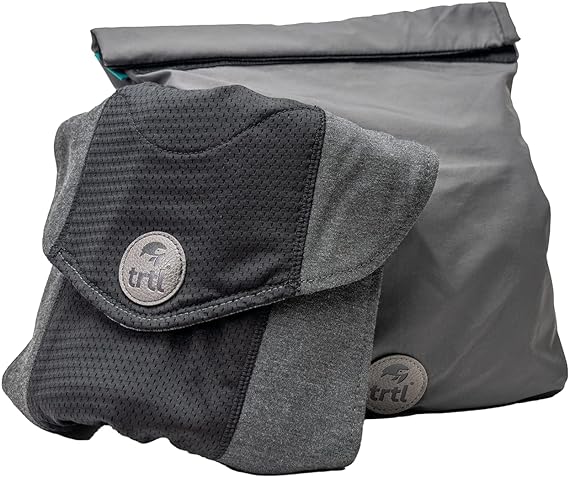
This essential travel accessory has gotten an update. Travel Pillows from trtl offer neck and shoulder support for long flights. It’s soft, lightweight, and oh so comfortable.
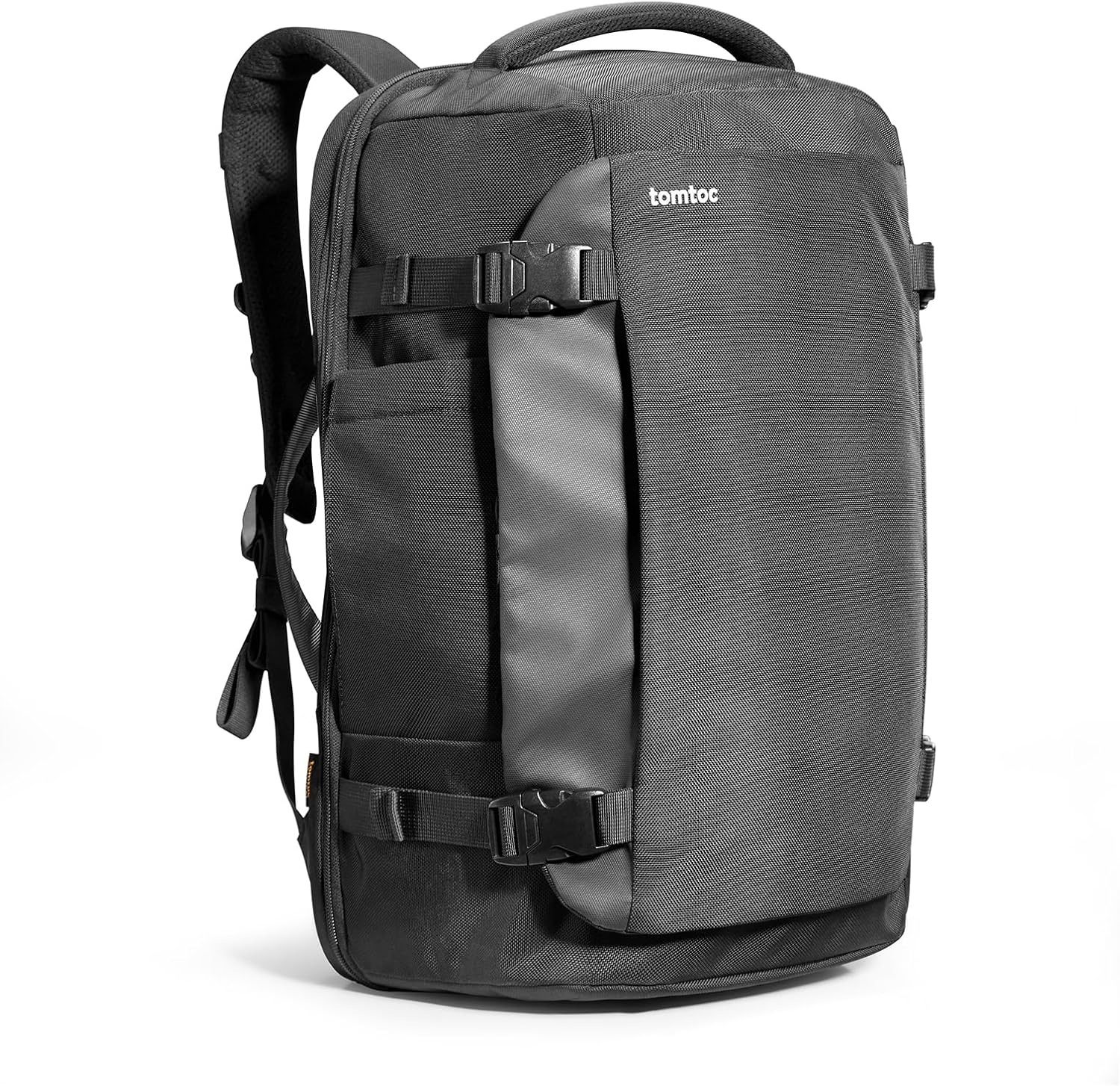
Weekender backpacks are easier to carry through the airport compared to a standard duffel bag. The Travel Backpack from tomtoc is carry-on approved, water-resistant, lightweight, and fits your laptop!
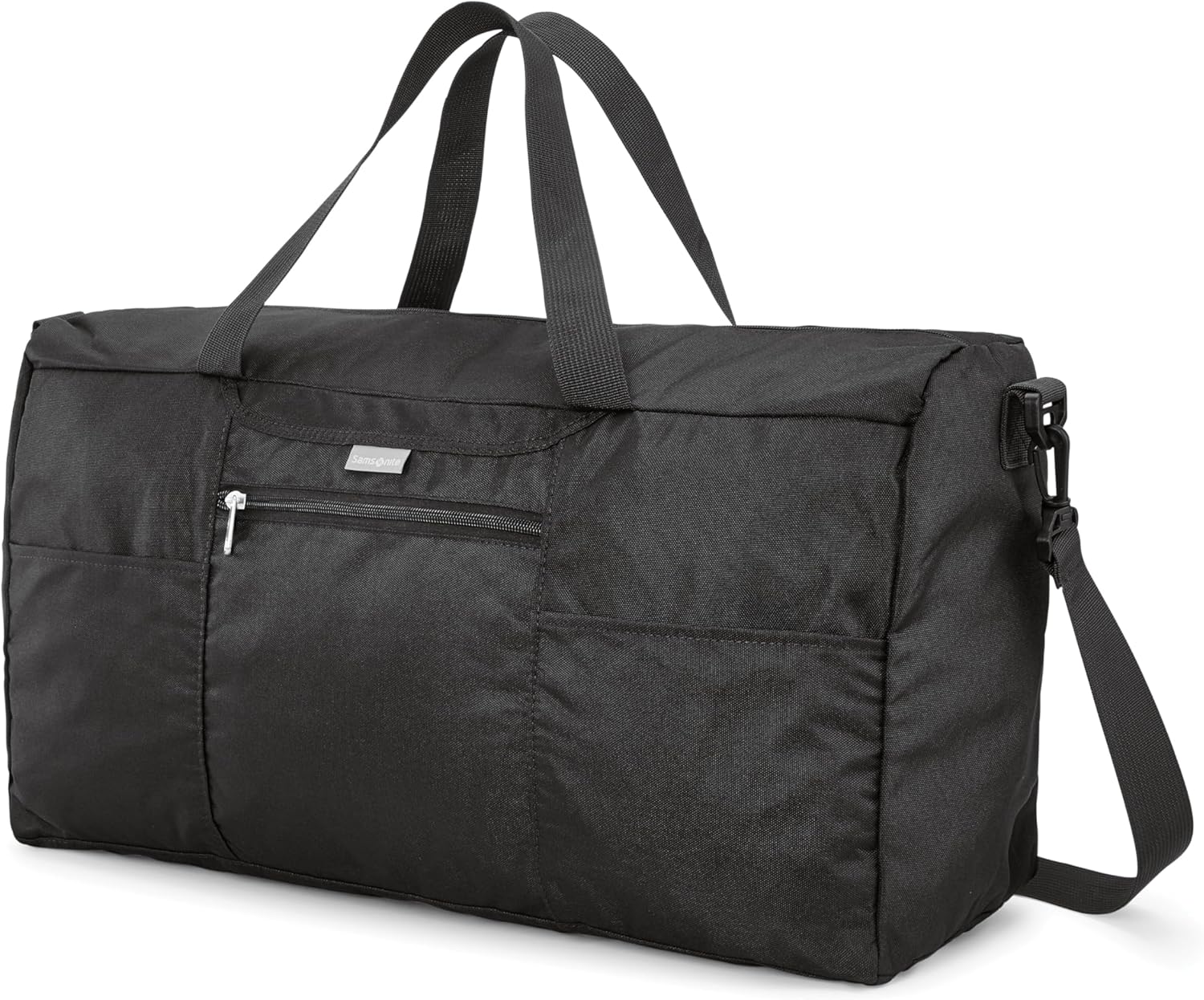
Know someone who is a travel shopper or loves souvenirs? This Samsonite foldaway packable duffel bag is perfect for those who might come back from their trip with a bit more than they came with.
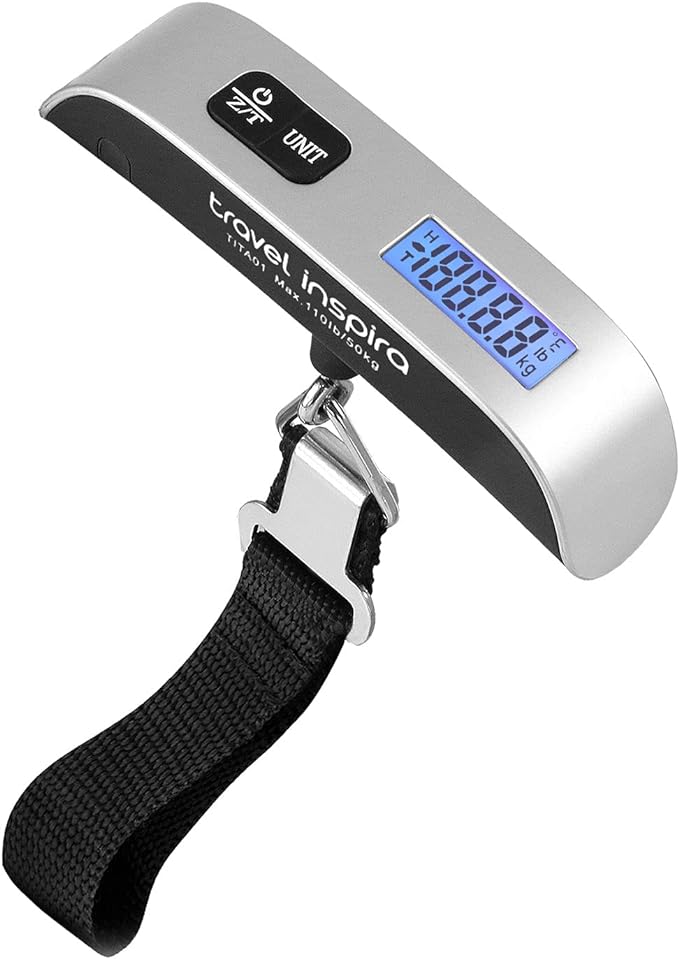
There’s nothing worse than checking your bag just to realize it’s overweight. A luggage scale makes an excellent stocking stuffer and a must-have for anyone who travels.
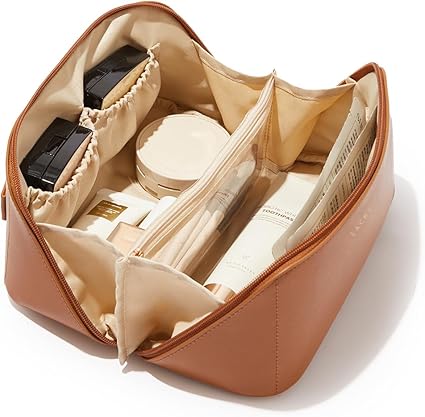
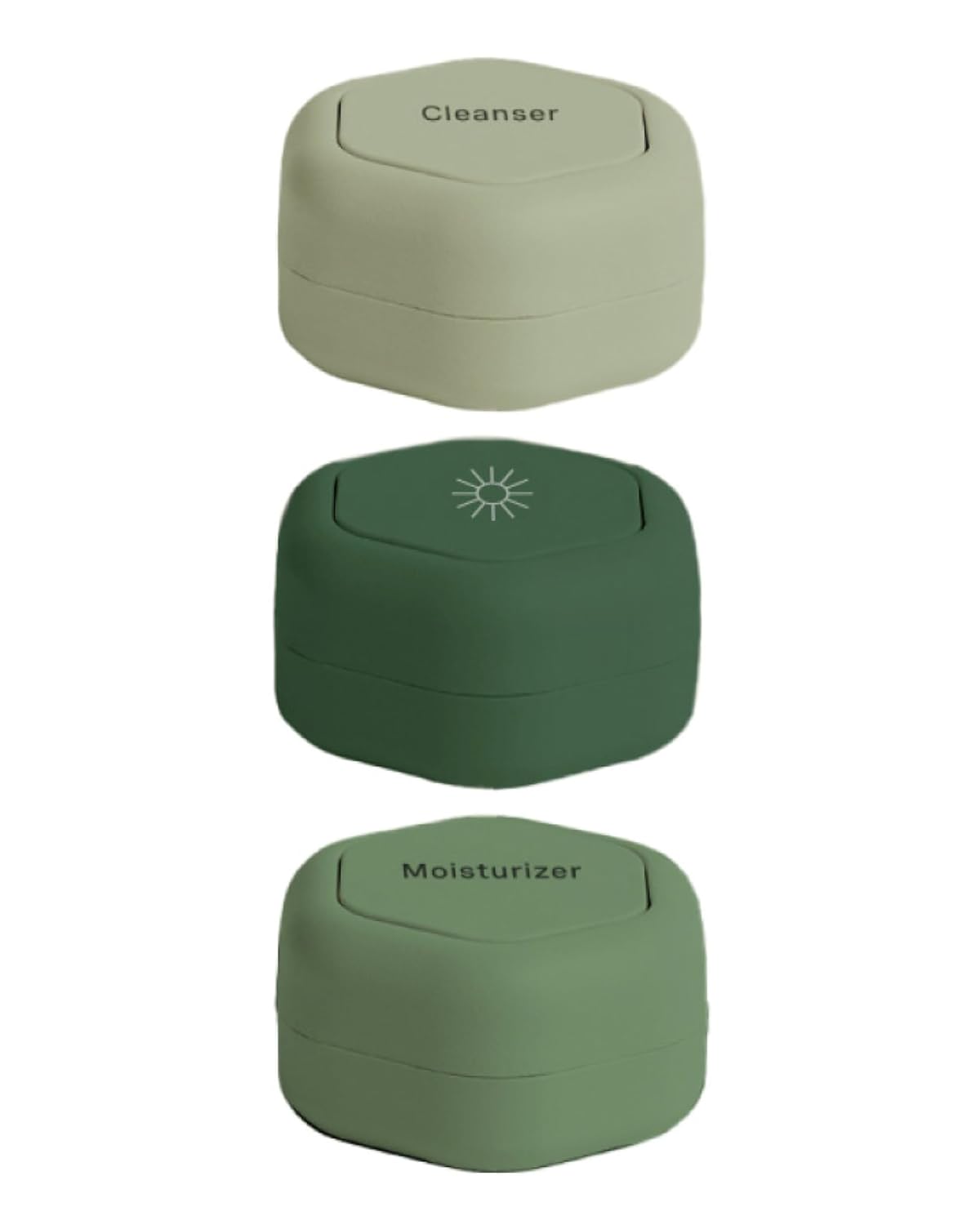
A 4-in-1 travel makeup kit is the ultimate travel hack. This Subtl Beauty stack includes a mirror lid, mini brush, eyeshadow, powder, cream highlighter, and lip and cheek color.
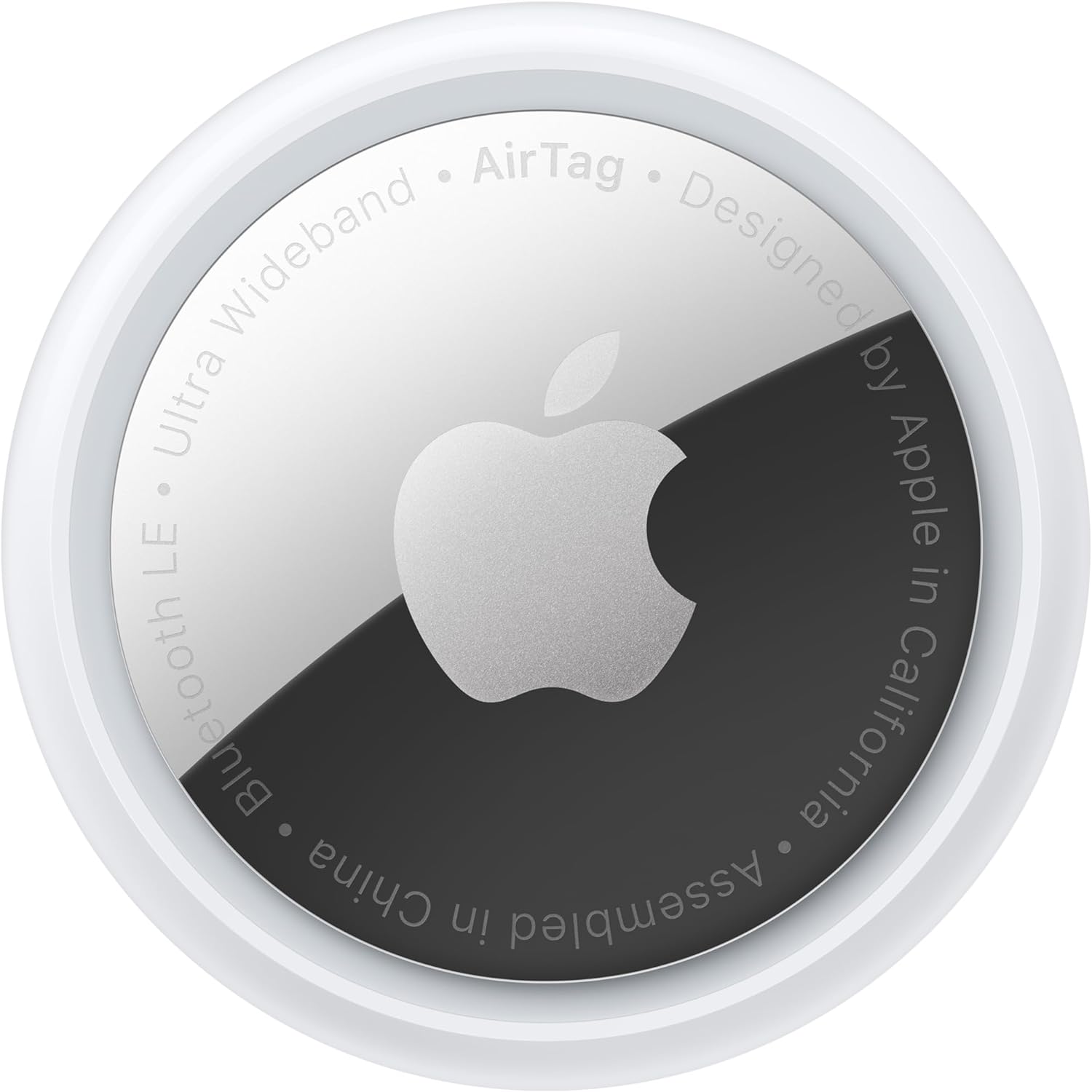
Keep track of all your bags and wallets with AirTags. If something does get lost in the shuffle, you can see exactly where it is. Get one for every piece of luggage!
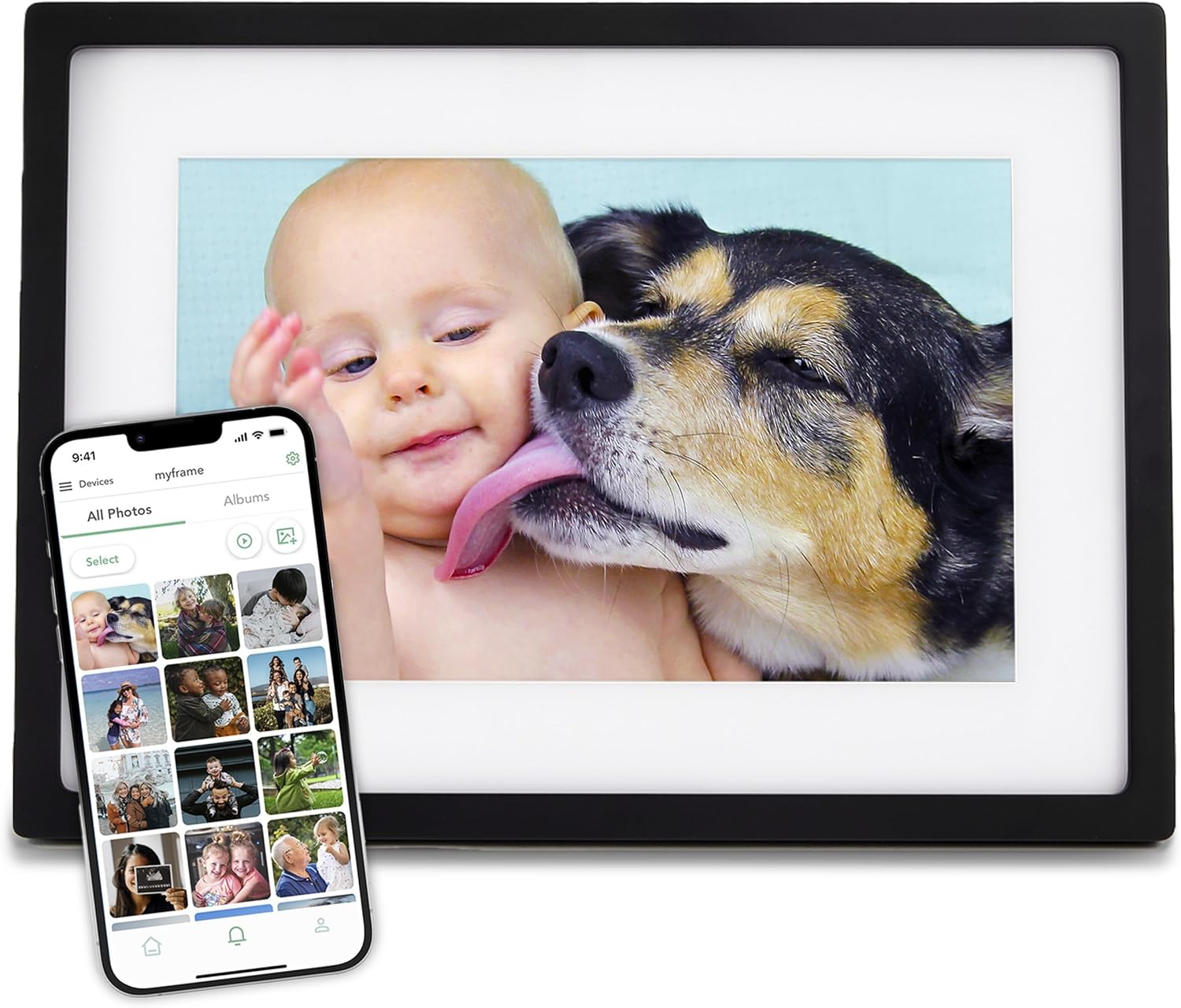
The gift that travelers and nontravelers both love. A digital frame is the perfect way to display all your travel photos. The Skylight frame allows for easy WiFi photo uploading and a touchscreen display to look through photos.
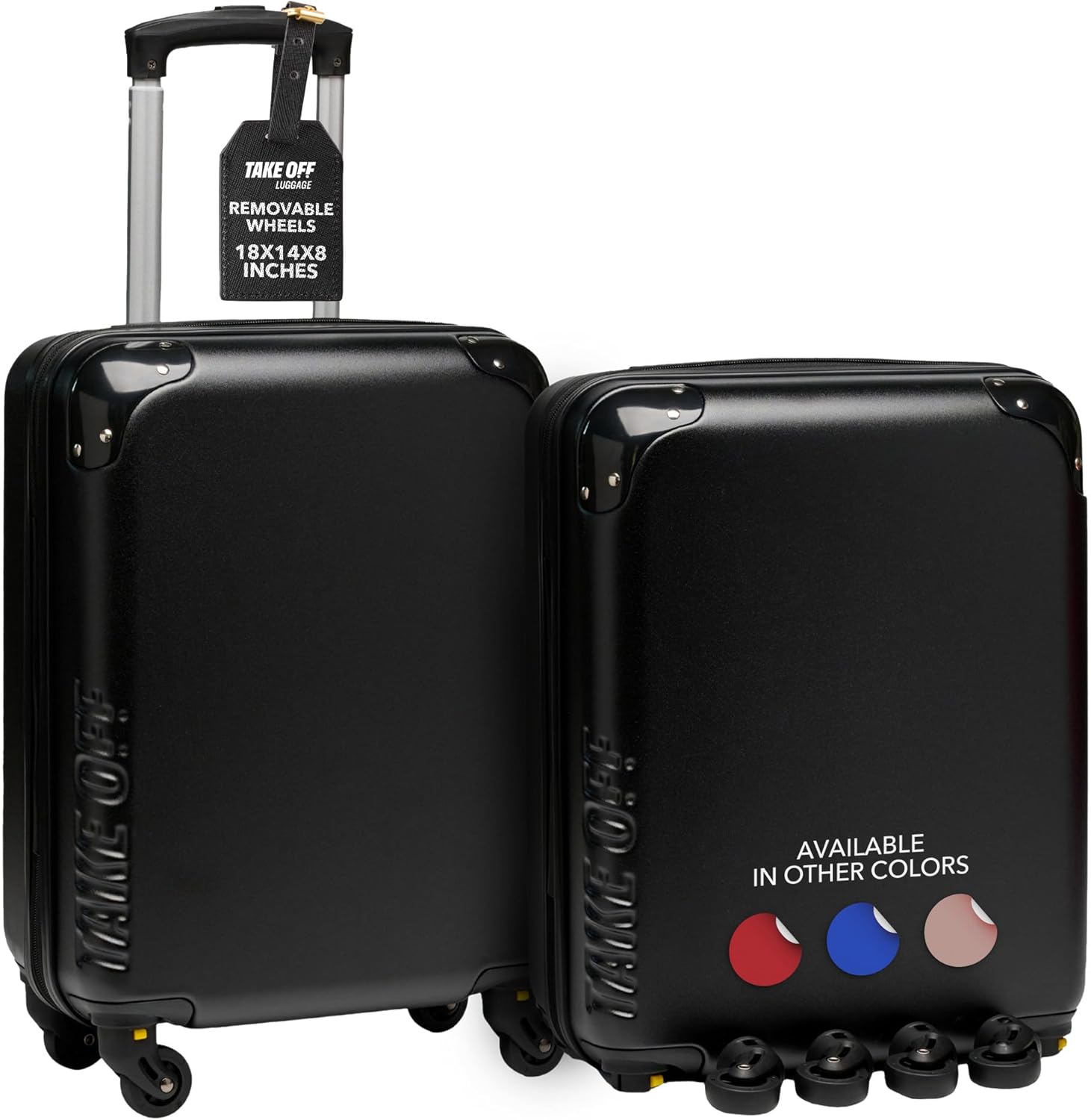
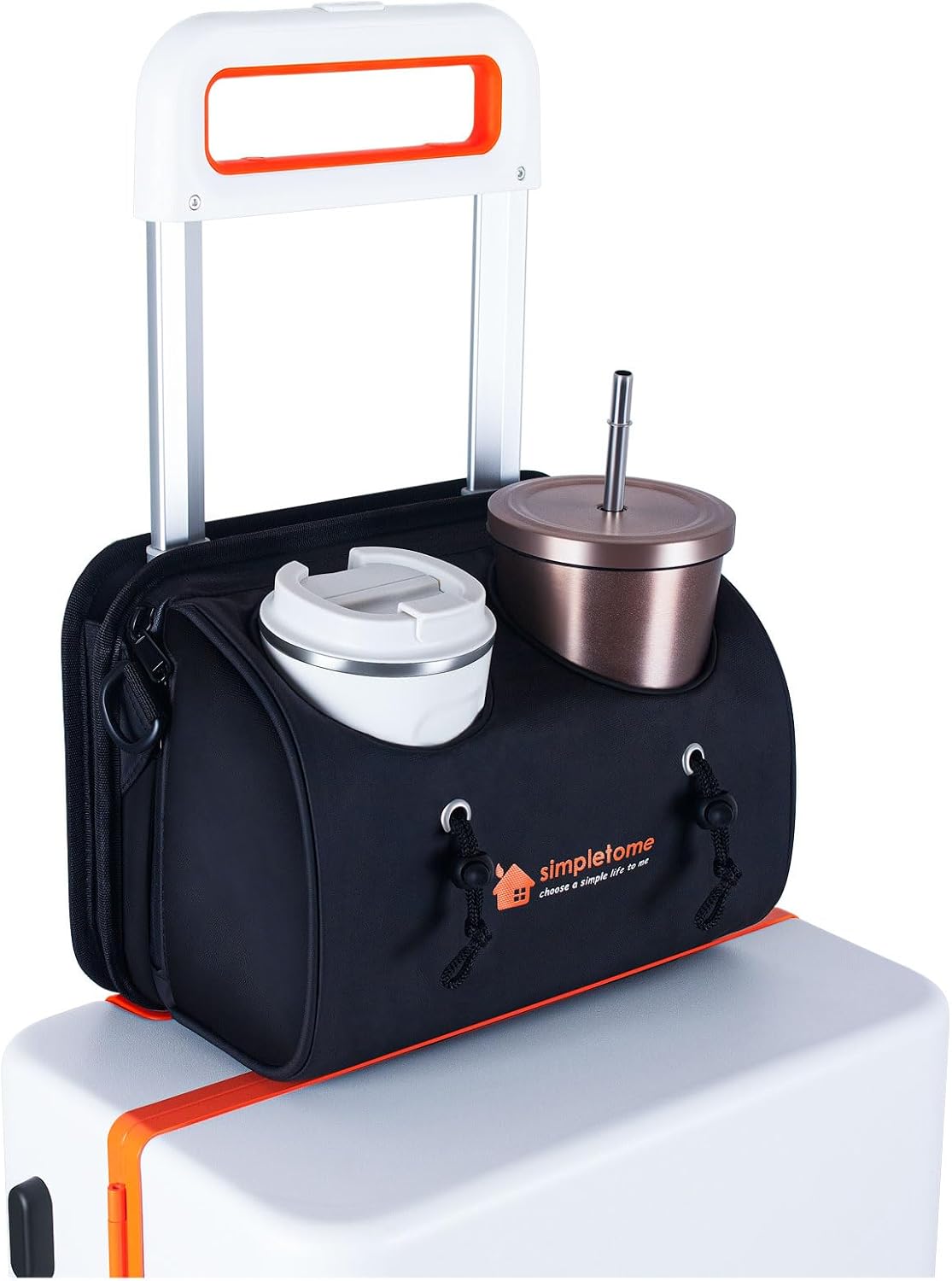
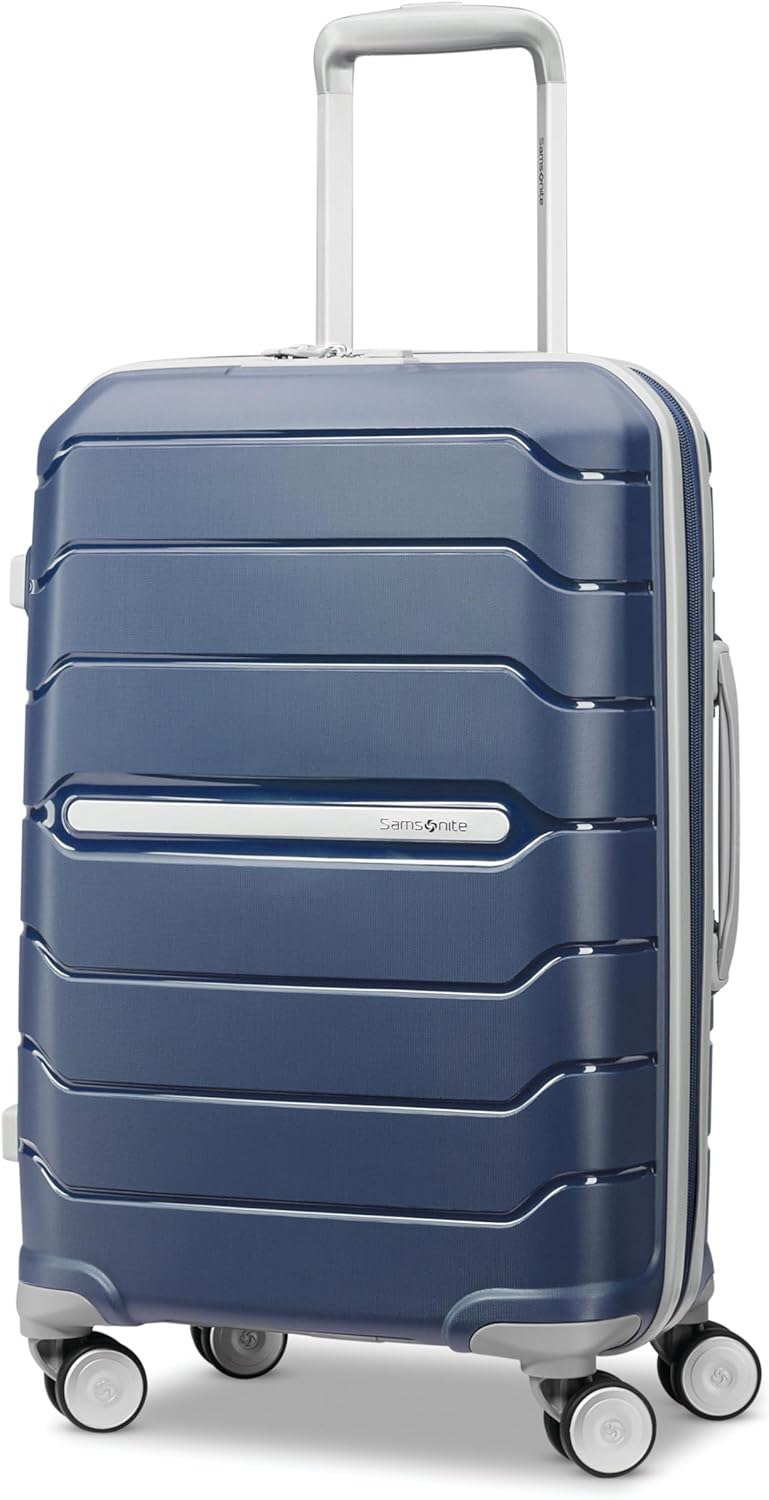
Budget air travel baggage rules can be hard to navigate. This personal item sized roller luggage takes the guesswork out of it. It has removable wheels to take off before boarding.
The gift for the person who has everything. A Kindle Unlimited subscription offers thousands of books and magazines for on-the-go reading. It will definitely be used.
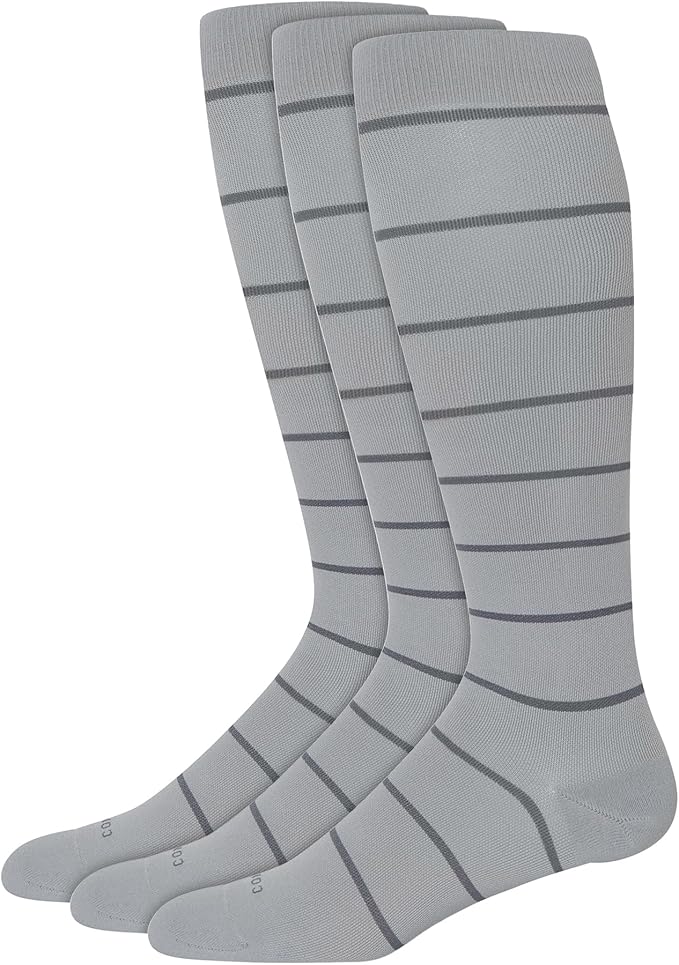
Compression socks are an underrated travel item. They can be a game changer for leg comfort. These Conrad socks offer graduated compression, which is tighter at the feet and looser at the knee, helping with comfort.
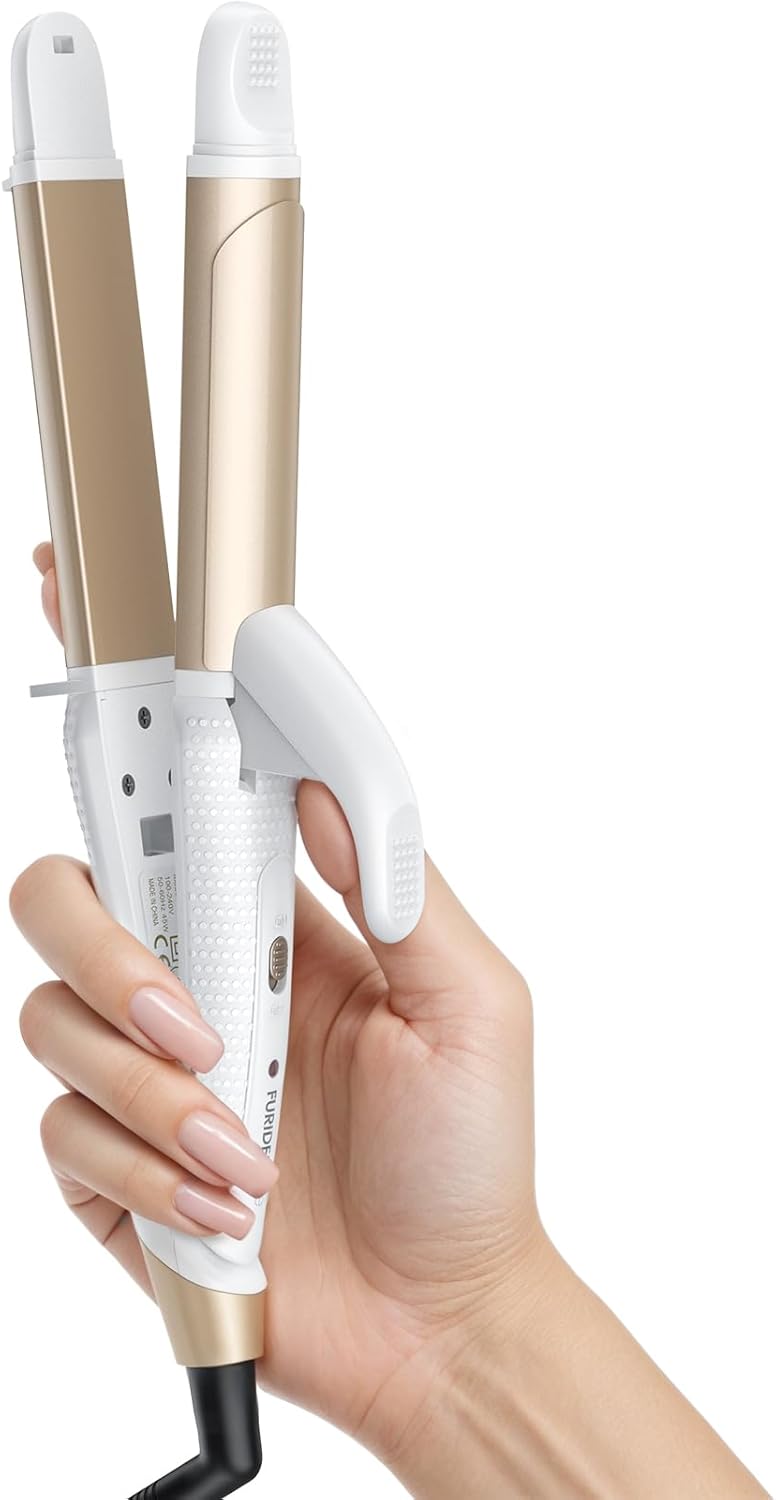
Traveling often means picking one hair tool for the trip. With this 2-in-1 travel curling iron and straightener, no styling or luggage space sacrifices have to be made.
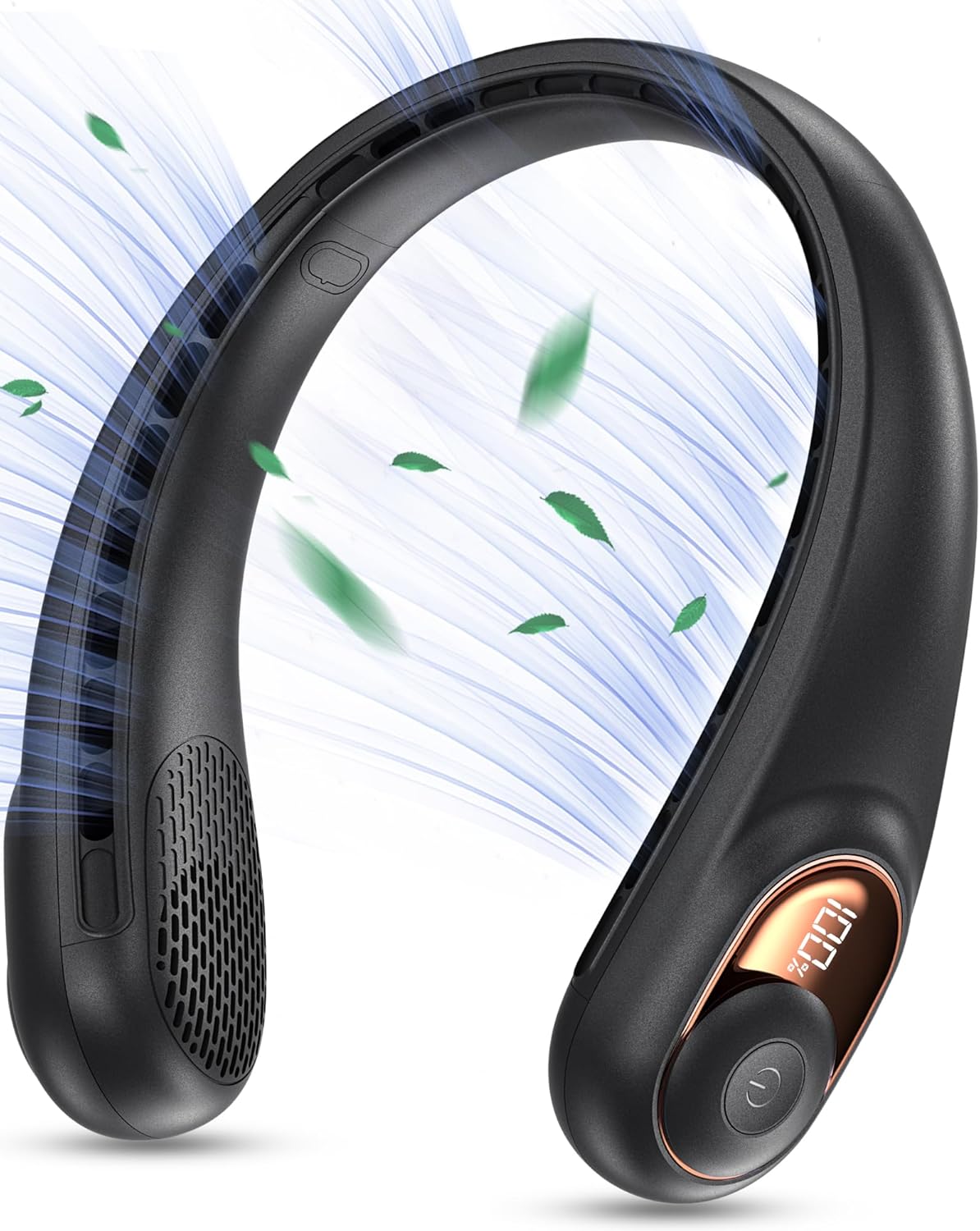
The theme park accessory that makes walking around in hot weather much more enjoyable. Neck fans are a hands-free way to stay cool and this one has thousands of positive reviews.
The ultimate gift, perfect for everyone, is the Airpods Pro2. These offer active noise cancellation. Essentially turning them into the highest quality earplugs to drown out those plane sounds so you can get some rest. They also have amazing audio.
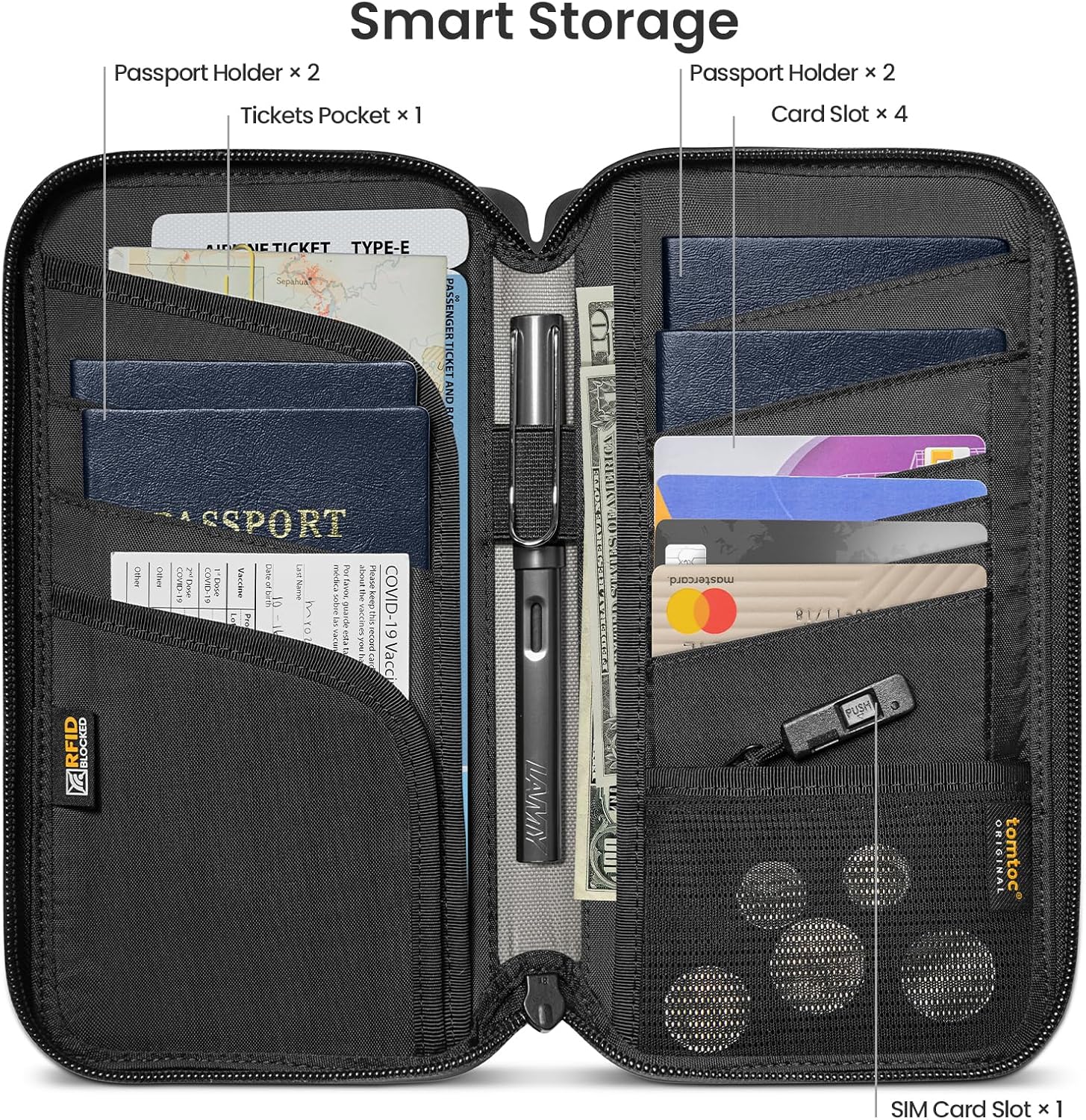
For families that love to travel together, this family passport holder from tomtoc holds up to four passports while being RFID-blocking and water-resistant. It also has holders for an AirTag and your SIM card.
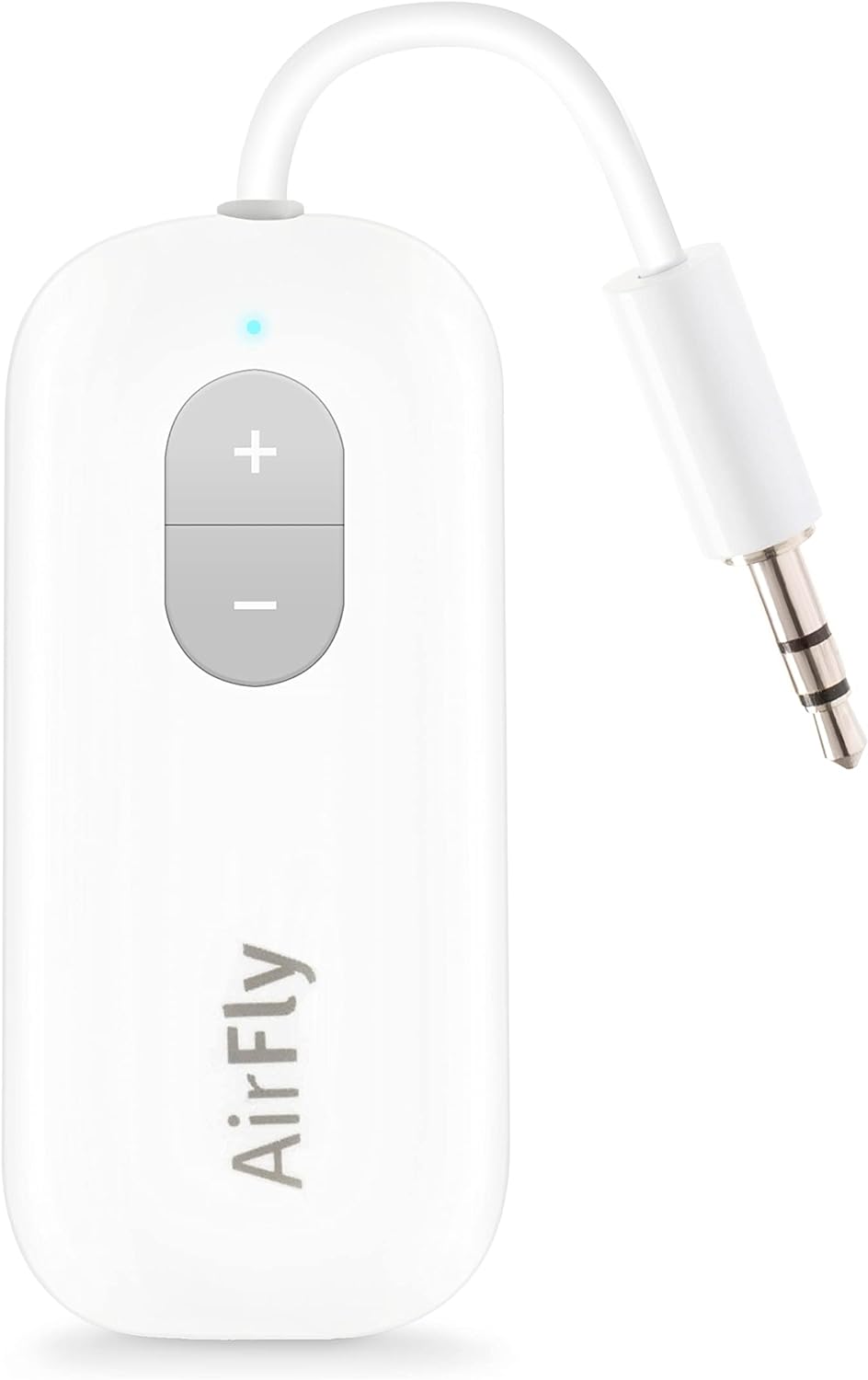
Hate the wired earphones they give out to watch in-flight entertainment? The Airfly Bluetooth Transmitter is a game changer. Easily connect your wireless earphones to enjoy all the entertainment the plane has to offer.
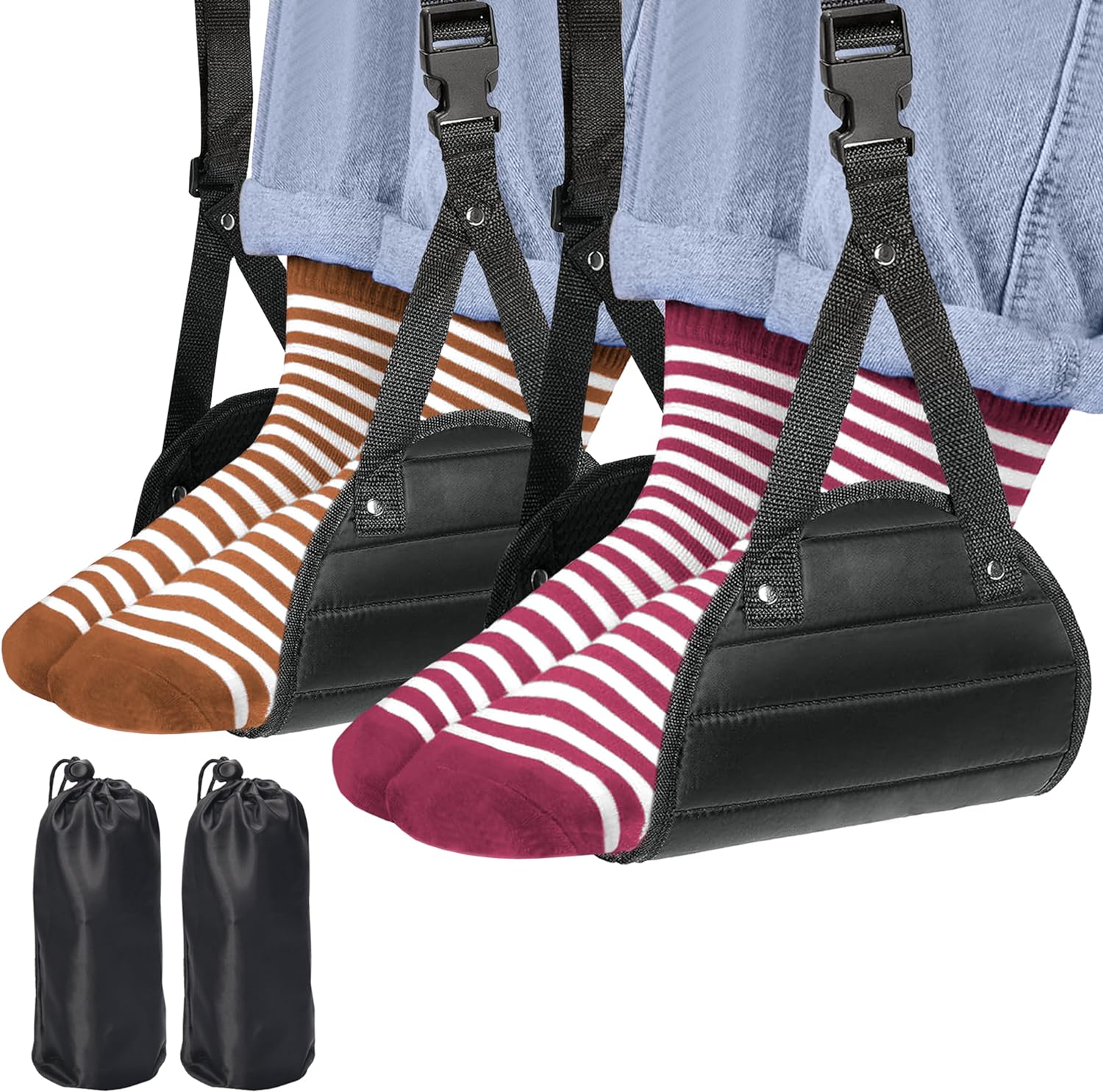
When you are shorter than 5’7, long flights can take a toll on your legs. An airplane footrest is easy to use and makes a huge difference in flight comfort.
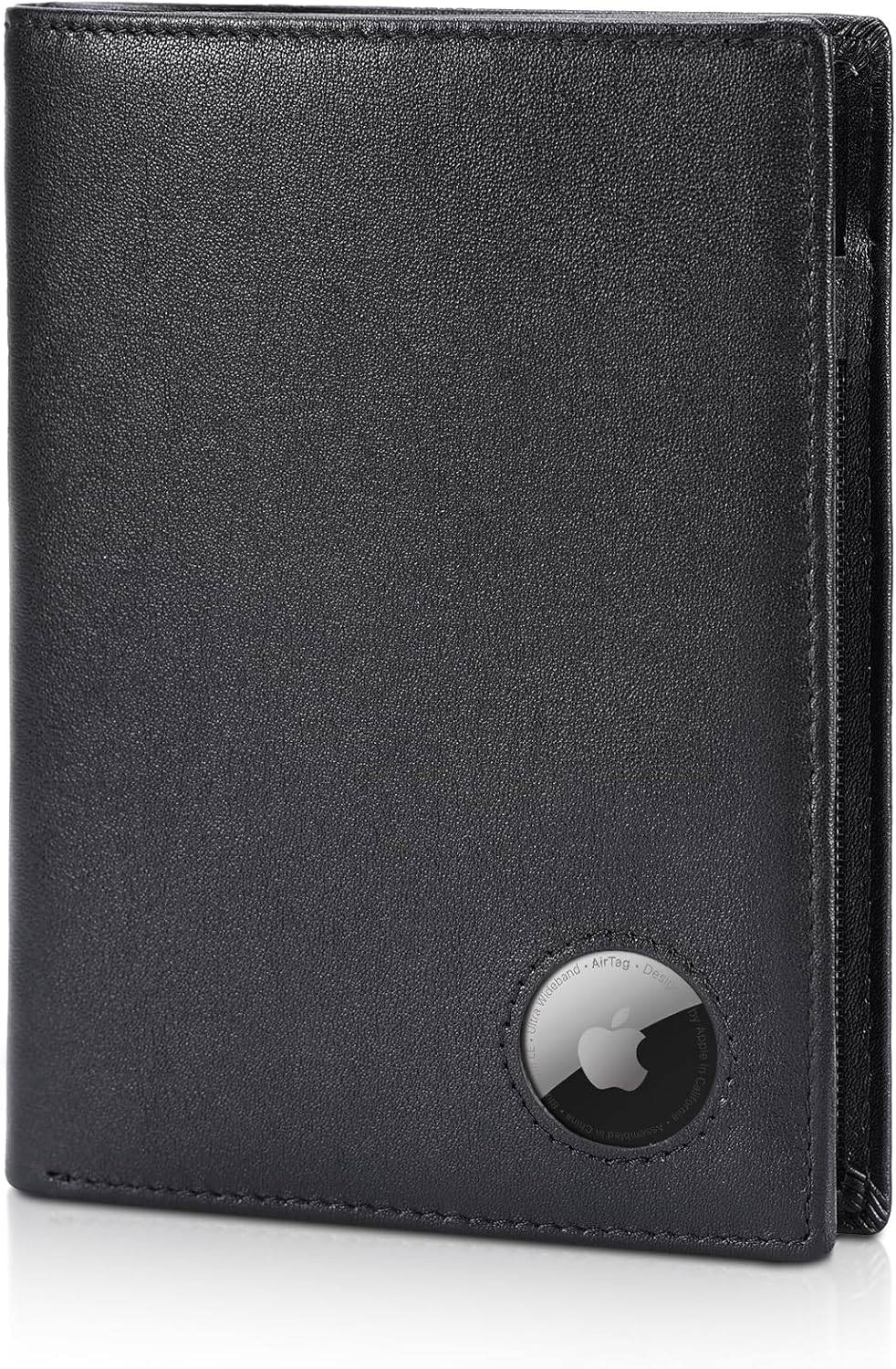
An RFID-blocking travel wallet is essential for international trips. This one is designed to keep your items safe and includes an AirTag slot for extra security.
A compact travel steamer is a game changer, especially when traveling for work or an event. No more hoping the hotel has an iron or spending too much vacation time ironing. This steamer weighs less than a pound and heats up in 15 seconds!
Nuun electrolytes tablets are a compact way to bring extra hydration and vitamins with you on the trip. It’s a stocking stuffer that will be appreciated and most definitely used.
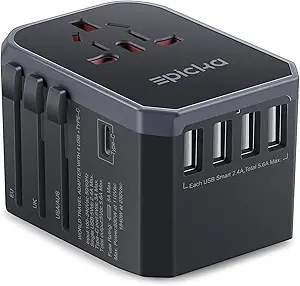
A practical stocking stuffer – this universal adapter really is universal. No more guesswork is needed to find out if you have the correct adapter. This adapter works for 150 countries and charges six devices at a time.
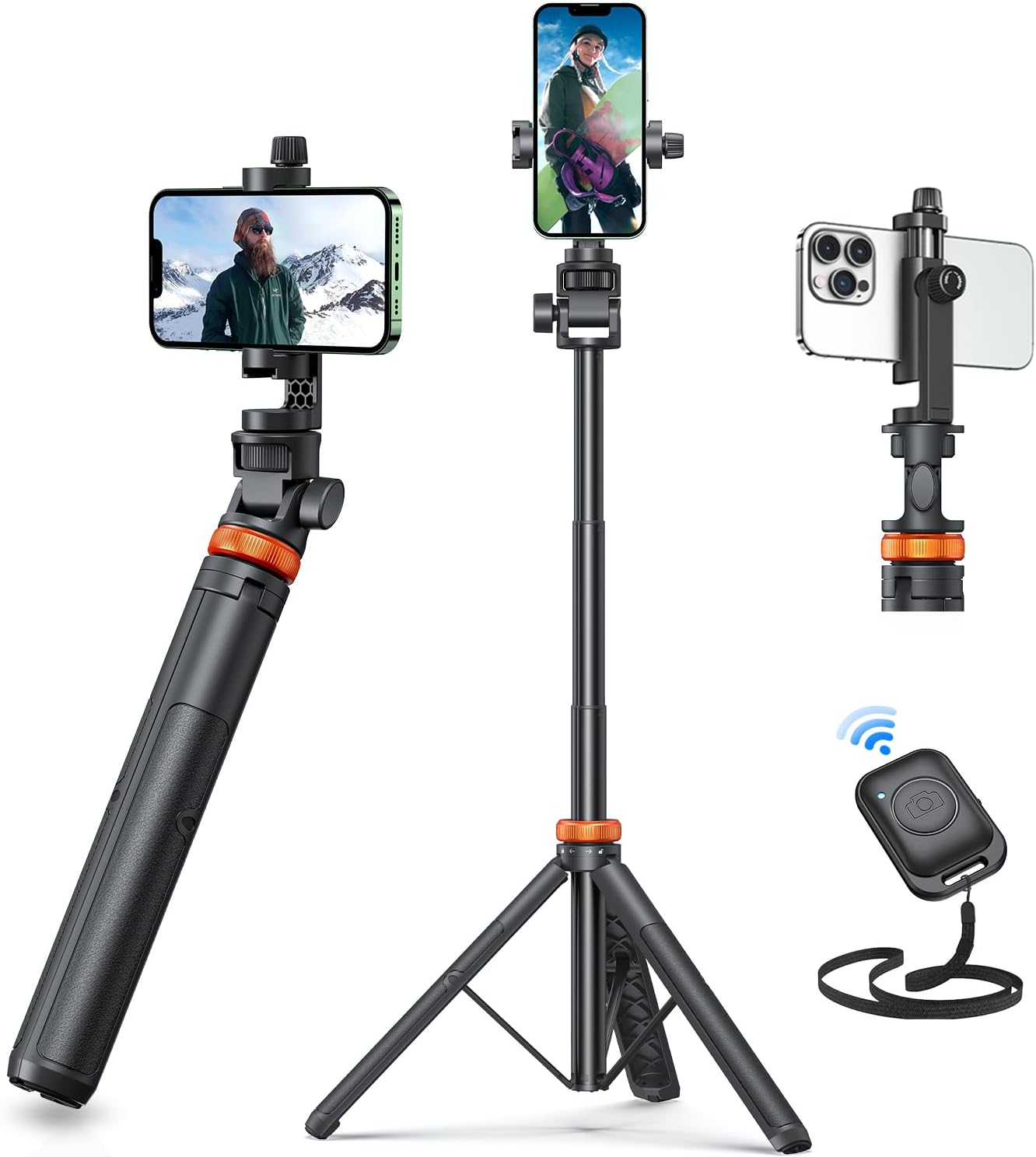
A selfie stick extendable tripod makes taking any type of photo a breeze. This one adjusts up to 62″ and comes with a remote to take group photos or selfies without additional hands.
Disclaimer: This article contains affiliate links. If you make a purchase through these links, we may earn a small commission at no extra cost to you.
The Secret to Beautiful Travel Photos
One of the main things on everyone’s packing list is a camera. It doesn’t matter if it’s a phone camera, a point-and-shoot, or a DSLR with interchangeable lenses. What makes a great photo memory of a holiday is how you take the picture, not what you take the picture with. Advanced technology and post-processing/editing are great, but if you don’t have the foundations of what makes up a good picture, then even the most cutting-edge technology won’t help. Here you’ll learn how to take great travel photos no matter what camera you use.
Composition
It all starts with composition, which is simply how the picture is created in your viewfinder – deciding exactly what you are taking a picture of. Sure, you want to get that picture of Billy and Susie in front of the Eiffel Tower. But if you want a good picture of Billy and Susie then you want to think about composition before you click the shutter button. Consider what you see through the viewfinder at the moment before you click as your canvas. Just like a painter, you decide what is going to go on the canvas and where it is placed. You can control this by moving your body around to various viewpoints, moving closer, moving away, laying down, standing on something, or turning in circles if you want.
For your next trip, we’ve compiled a list of composition photography tips so you can learn how to take great travel photos. These tricks can be used with any camera, so come back with pictures you are proud to share. Just remember, these are all things you need to do BEFORE you click the shutter button.
1. Avoid Centering the Subject
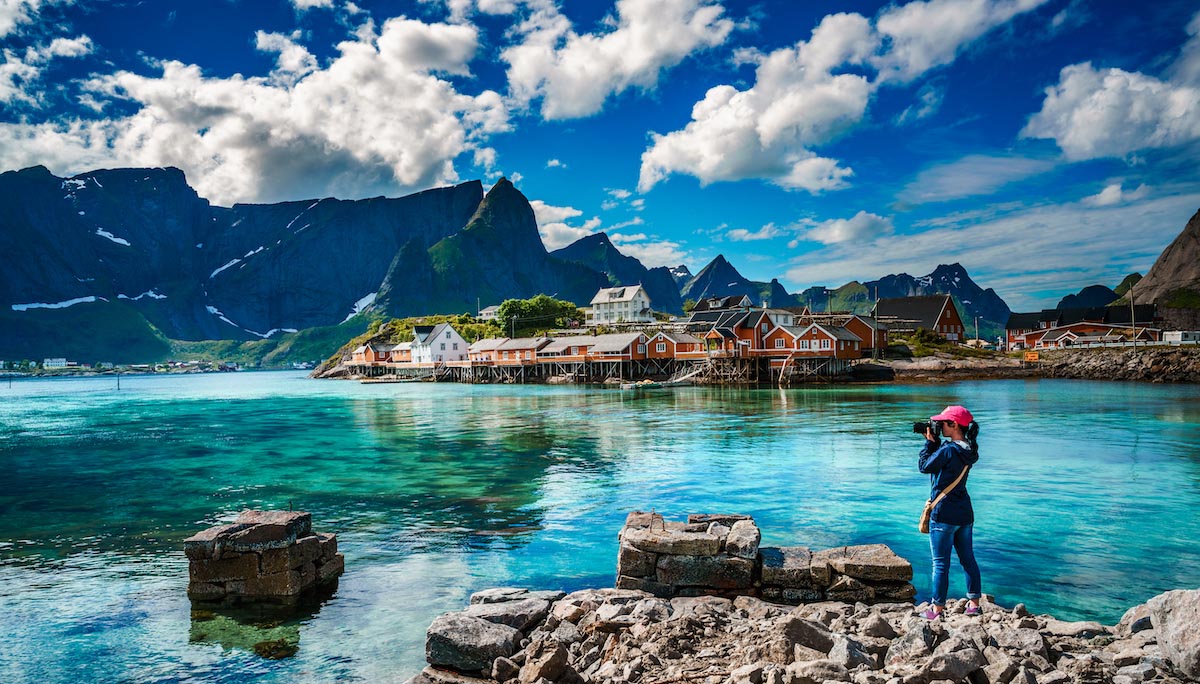
This is the one tip for every traveler taking a picture – don’t put your subject in the center of the picture. It is the simplest thing you can do to change a picture from ok to great. The concept in art terminology is referred to as the Rule of Thirds:
An image should be imagined as divided into nine equal parts by two equally-spaced horizontal lines and two equally-spaced vertical lines, and those important compositional elements should be placed along these lines or their intersections. It is believed that by aligning a subject with these points creates more tension, energy and interest in the composition than simply centering the subject would.
This basically means that instead of placing Billy and Susie, or the Eiffel Tower in the center of the photo, you place the subject in one of the thirds of the photo. Our brain often comprehends this as more pleasing to the eye. Out of all these travel photo tips, this concept is most important.
Centered
Rule of Thirds
There are exceptions to the Rule of Thirds of course, like when you are composing a shot to be symmetrical. A shot where everything is exactly symmetrical in the frame can also have a powerful effect. It adds stability to travel photographs and can give your compositions a sense of calm, peace, and “rightness.”
2. Lines & Curves
The second easiest tip to improve your travel photos is ensuring you compose a shot for leading lines. Lines can be used to direct the viewer’s attention to the subject of your photograph. When you first glance at a photo, your brain automatically starts to decipher the picture by trying to figure out what the subject is. Without us being aware of it, our brains look for lines that lead us to the subject. These lines can be straight, diagonal, wavy, or any other creative variation. They can be roads, fences, shadows, mountain landscapes, or even the curve of a hat. To be most effective, try to create your overall composition so that the lines appear to be moving in or out of a corner or corners of the frame.
3. Framing
This is a pretty easy concept because we all know what a frame is. It is simply something that goes around a picture. Framing in terms of photography composition is something that frames your main subject to call even more attention to it. This is probably one of the easier composition techniques for learning how to take great travel photos. Framing brings more depth to the picture and a better focus on what the main subject is. It’s also a great way to highlight something that is commonly photographed. As a result, it brings a new perspective and interest to the subject.
4. Scan for Distractions
Before you click the shutter button, take one last look around your frame, especially the corners. Look for pesky power lines and other distractions like people or signs. There’s nothing worse than trying to get a great shot of the simplicity of village life in remote areas than power lines running through your shot. If power lines are in frame, then go to another vantage point (squat down or stand on something) so you can get a nice clean shot. Right before shooting, it’s good practice to move your eyes around the perimeter of the frame to make sure it’s clear. Only then should you take the shot. Yes, you can remove these with editing software after the fact, but it takes much less time to simply move a few steps than removing/editing it after the fact.
5. Go Wide for Travel Pictures
Many travel photographers like to use super zoom cameras, but the best travel photos are the ones where you can see the people or subjects relating to their environment. Good pictures tell a story. A wide angle shot will include people and how they are interacting with their environment. People in a wide angle shot also provide a way to show perspective of something. If you use a DSLR, use a wide angle lens for a day and see how your travel photography improves.
6. Get Up Close & Ask Permission
If you are taking photos of people, don’t simply zoom in and “steal” pictures of them while they are not looking. If you are really interested in people photography then the first step is to form a relationship with the person. The personal touch is great, especially when learning how to take great travel photos. By not relying on the crutch of a zoom lens, it will force you to get up closer to your subject and interact. The first interaction should be to ask them if you can take their picture, which ensures your abiding by the tenets of international travel etiquette.
The worst they can say is “no” and you move on. Getting permission is key, as in some cultures taking a photo of someone has very negative connotations. By asking, you’ll actually interact more with your subject and that usually makes a better travel picture. Interaction causes them to look at you and the lens. When people look at the lens, it creates a powerful image. A candid shot of the subject looking directly into the lens is commonly the “money” shot.
7. Crouch
If you don’t want to stand out as you are taking travel photos, then try to blend into the crowd more. This is done by crouching down or squatting and taking photos from a lower viewpoint, which prevents you from standing out too much. If you are photographing children, then crouching is a must to get to their level and interact with them. It also helps put them at ease. Crouching has additional benefits because it normally offers a more unique and pleasing perspective for travel photography.
8. Share the Photo
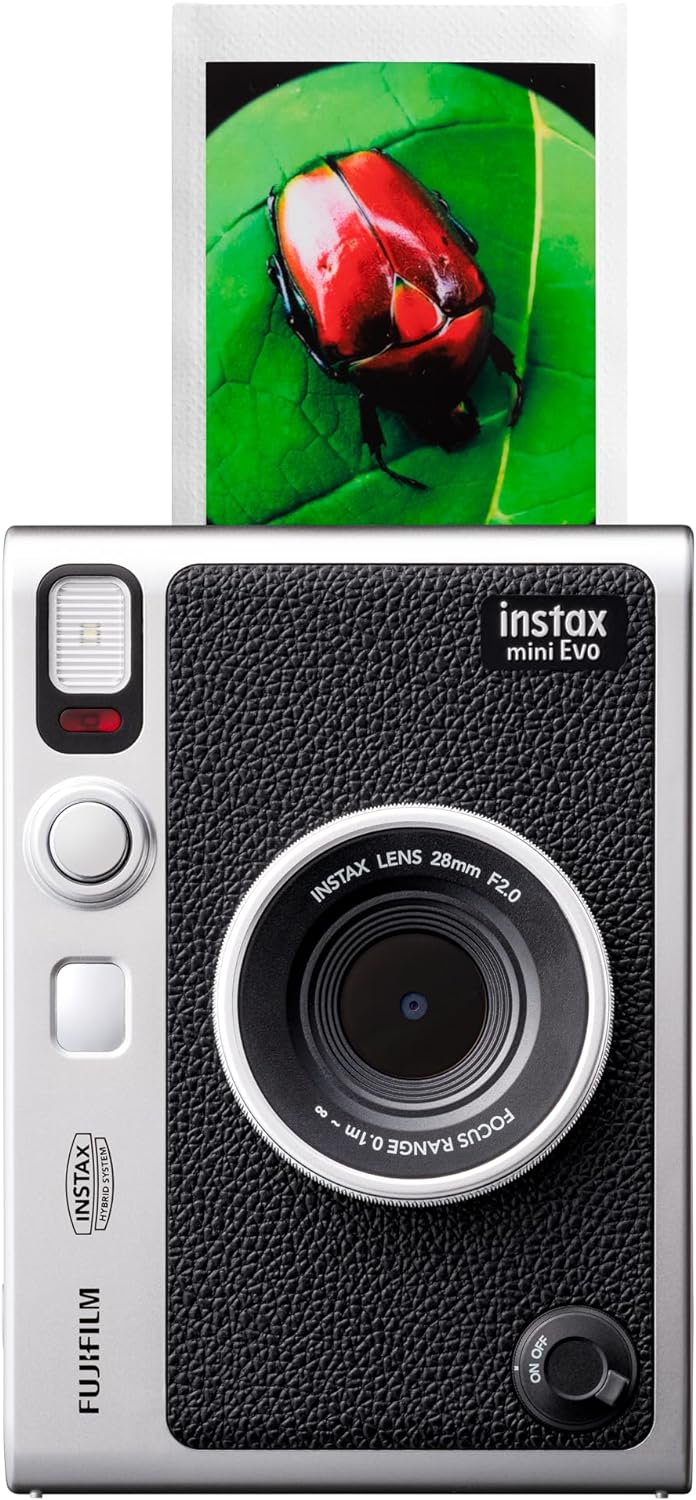
When you are taking travel photos of people who you’ve received permission from and formed a relationship with, remember to always offer to share the photo with them. Show them what you shot. People almost always love to see photos of themselves. Additionally, in some countries seeing your own photo can be quite a novelty. You can even offer to take their address or email and send them the image to really go full circle and give back. For instant souvenirs, we recommend an instant film camera from Kodak. They are compact cameras that are easy to travel with and instantly print out your photos.
Summary
These are just a few composition tips that you can digest for your next trip, but the best advice is to practice and ask for honest feedback. Show your travel photos to others and ask for advice. This way, you will get better and better travel pictures. Furthermore, you’ll learn how to critique a photo yourself. The more we learn to say what is good or bad about a photo’s composition, the better we become. Consider watching some instructional videos online or take a course on photo critique skills to help you learn how to take the best travel photos.
A luxury vacation is not in everyone’s wheelhouse or budget. Some travelers save for months or years to afford the trip of a lifetime. This trip could really break the bank, if you aren’t careful. That’s where travel insurance for expensive trips comes in – especially for luxury vacations, private villa rentals, or VIP travel.
What is Luxury Travel Insurance?
Luxury travel insurance is a premium policy designed to offer exceptional protection for high-value trips. Whether you’re enjoying a leisure escape to Dubai, a cruise through the Mediterranean, or a yacht holiday in the Seychelles, this type of insurance covers the unexpected, ensuring your luxury vacation investment is protected from the moment you book.
What Does Luxury Trip Insurance Cover?
The more money you invest in your trip, the more you have to lose. Why risk it? The right high value travel insurance plan can protect your travel investment as well as protect you from additional expenses due to travel delays, lost baggage or trip interruption.
Luxury travel insurance has specialized coverage that goes beyond basic travel insurance, offering enhanced medical, property, and trip cancellation protections tailored to elite travelers visiting top international destinations. These policies are designed to keep you covered wherever your travel takes you, whether it’s the Amalfi Coast, Tahiti, Switzerland or beyond.
A high-value travel insurance policy can include:
Trip cancellation or interruption due to unforeseen emergencies
Coverage for lost, stolen, or delayed luggage
Emergency medical care, including evacuation abroad
Protection for prepaid activities and tours
24/7 global assistance services
Coverage while on yacht charters, luxury cruises, private villas, and more
Is Travel Insurance for Expensive Trips Worth it?
Absolutely. When you’re investing tens of thousands of dollars into a luxury holiday, the value of trip insurance becomes clear. From weather disruptions to medical emergencies abroad, the risks of traveling without coverage can be costly both financially and emotionally.
Consider the alternative. If you are spending $25,000+ on your vacation, would you be willing to lose your pre-paid, non-refundable investment if you had to cancel prior to departure? Even though the travel insurance premium may look like a scary number, you will be protecting your total investment as well as your personal finances while traveling.
How Much Does High Value Travel Insurance Cost?
The cost of luxury travel insurance varies depending on factors such as total trip cost, destinations, and excursions. Typically, premiums range from 4% to 10% of the total prepaid and non-refundable expenses. While it may seem like a significant investment, the cost is minimal compared to the potential losses you’d face without comprehensive coverage.
When Should I Buy Luxury Trip Insurance?
To maximize your benefits, purchase your policy shortly after making your first paid trip deposit. This often unlocks early coverage perks such as Cancel for Any Reason (CFAR), Interrupt for Any Reason (IFAR), and Pre-existing waiver protections. Buying early ensures you’re covered in the case of changes due to global events and weather interruptions.
What’s the Best Travel Insurance for Luxury Vacations?
Finding the right plan is incredibly personal, depending on your trip itinerary. For instance, you may look specifically for robust coverage depending on the length of your trip or pre-existing medical condition.
If you are taking a luxury river cruise, you may be really interested in a cruise-specific comprehensive plan that offers unique benefits like missed connection coverage.
If you are traveling to a specific destination, or more than one destination, you may want a plan that includes extended reasons for travel delay coverage. For longer trips, you may want to look for a plan that reimburses up to 150% for trip interruption coverage. It’s really all up to you and your travel needs.
Pay close attention to extra benefits that may be optional or time-sensitive. One example of a time-sensitive benefit is the pre-existing condition waiver that is available on some plans if you meet all the eligibility requirements. Many luxury vacation insurance plans also offer optional Cancel for Any Reason coverage. You must purchase the plan within a certain timeframe after making your initial trip payment (as well as other eligibility requirements) for these benefits to be available.
Also, many benefits will have optional coverage such as rental car collision or sports and activities coverage. Be sure to consider your complete itinerary and medical conditions when looking for private travel medical insurance.
Where to Buy Luxury Vacation Insurance?
Compare options at InsureMyTrip for luxury private travel insurance and VIP travel insurance options. Fill out the form and get a quote now!
Disclaimer: The information contained in this article serves as a general overview of benefits and should only be used for informational purposes. Refer to your individual certificate of insurance for specific coverages, exclusions and benefits. When in doubt, please contact one of our licensed agents for additional assistance.













 Centered
 Rule of Thirds