Travel Medical Policies Come in Two Types: Single-Trip & Multi-Trip
Single-Trip Travel Insurance
A single trip is when you are leaving home, traveling for a time, then returning home. It doesn’t matter if you will be going to multiple countries. This is still considered to be a single trip, as you will be leaving home and returning home only once.
Multi-Trip Travel Insurance
Multi-trip coverage is purchased on an annual basis. These policies cover you for the period of one calendar year beginning on the effective date you enter when getting a quote or purchasing coverage. They provide protection when you leave home and return home multiple times over the course of the year.
There are a few things to consider:
Multi-trips will always have a limit on length of travel for coverage. So no matter how many trips you may take over the course of the year, none can be longer than that number of days or the coverage will end and any further travel will not be covered by the multi-trip policy until you have returned home and left again. The amount of time covered will range from 30-75 days depending on the company.
All multi-trip policies require that you have primary health insurance in place in the U.S. If you do not have health insurance they will not cover you.
The multi-trip policies available at InsureMyTrip are designed to cover only medical emergency and emergency medical evacuation. Accidental death coverage can also be purchased on a multi-trip basis, but that’s an elected option offered on most of the accidental death policies. There is no coverage provided for trip cancellation or delay of travel. Certain medical multi-trip policies will cover baggage loss, but only for a small amount and only for checked baggage.
Insuring Multiple Trips
Frequent travelers may want to consider looking into travel insurance that is designed to cover multiple trips on a single policy, rather than insuring each trip separately. More often than not, there is a financial benefit to buying a multi-trip insurance plan, and that cost savings can be significant for those who take several trips within the course of a year.
A multi-trip insurance plan is different from one that covers multiple destinations. “Multi-trip” means that you are intending to depart from your primary residence for a trip, then return at some point, where you’ll stay for some length of time before departing again, and repeat that cycle more than once in a year’s time. A single trip, with multiple destinations (i.e., from home to Paris, then London, then Madrid, then back home at the conclusion of your tour) can be covered by a traditional travel insurance comprehensive plan.
Multi-trip plans are available for purchase on an annual basis only and cover a wide range of options. You can purchase a multi-trip travel medical plan, which provides benefits for emergency medical care and evacuation to an appropriate treatment facility on each of your trips. Multi-trip evacuation only plans, which will allow you to receive coverage for emergency medical evacuation, are also an excellent option. Comprehensive plans, which provide benefits for trip cancellation, trip interruption and travel delay, are unfortunately not available as multi-trip plans.
As with any travel insurance plan, there will be limitations, exclusions and variations between plans and providers of multi-trip insurance. Thoroughly research your options and be sure that the multi-trip plan you are considering purchasing is the right one for your specific needs.
Disclaimer: The information contained in this article serves as a general overview of benefits and should only be used for informational purposes. Refer to your individual certificate of insurance for specific coverages, exclusions and benefits. When in doubt, please contact one of our licensed agents for additional assistance.
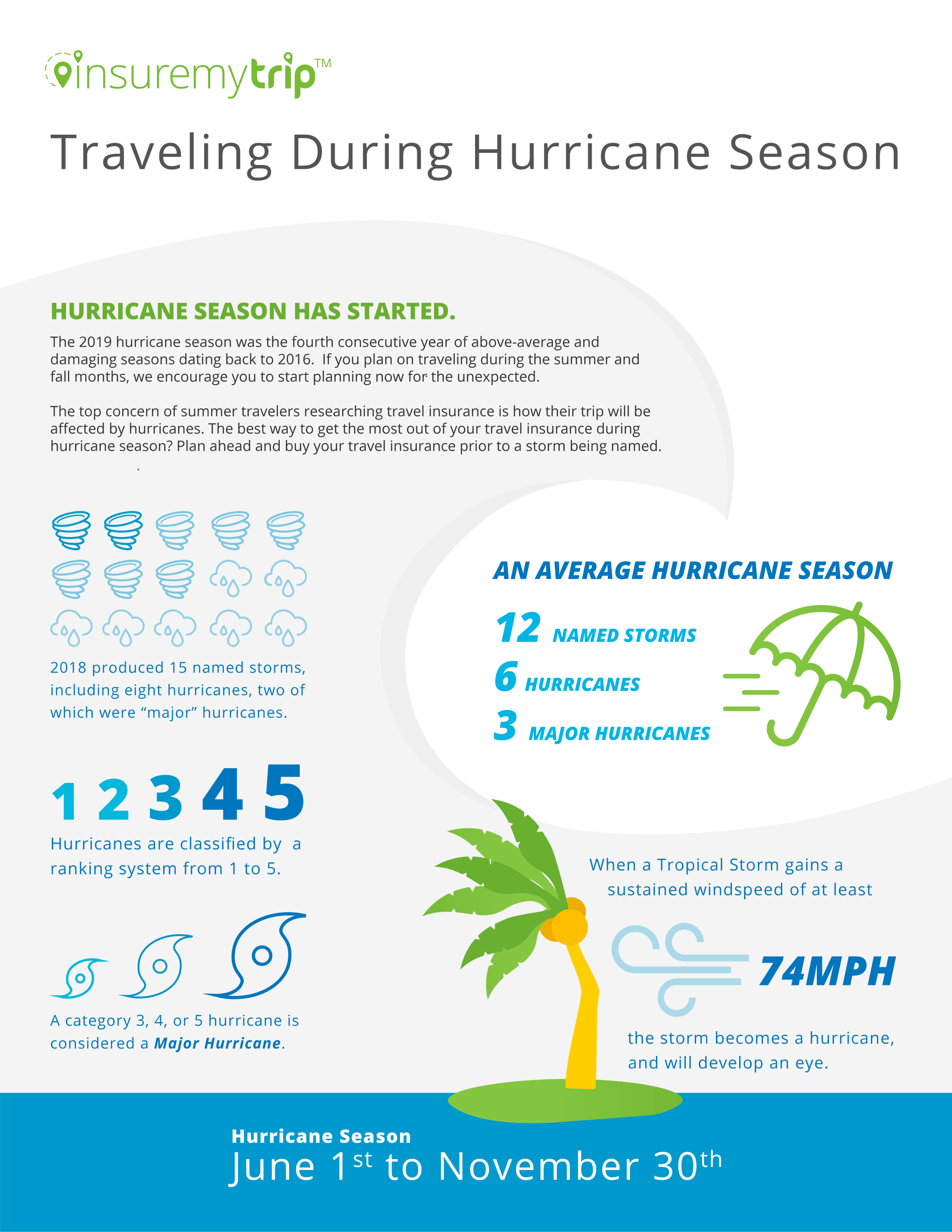
The number one concern of summer travelers researching travel insurance is how their trip will be affected by hurricanes or other severe weather events. When traveling during the Atlantic hurricane season, June 1st to November 30th, you must plan for unexpected weather patterns.
If you read nothing else in this article, although all of it is important and we highly recommend you keep reading, know this: purchasing your travel insurance plan prior to a storm being named should provide you coverage for travel concerns that arise due to that storm. If a hurricane or tropical storm that affects your trip is predicted before you purchase a plan, your coverage may be extremely limited.
Hurricane Travel Insurance: How to Decide If it’s Important
You are probably thinking to yourself, “Sure, bad weather affects travel plans. But do I really need to invest in a travel insurance plan?” While we can’t answer that question for you, we can set you up with the right tools. We recommend purchasing a comprehensive travel insurance plan if you can answer ‘yes’ to any of the following questions:
Are you planning to travel between June 1st and November 30th?
The Atlantic Hurricane Season runs from June 1st to November 30th each year. If you are traveling at all during these days (even just returning from a trip in early June), we highly recommend you purchase a plan. Travel insurance can help with things like reimbursement for additional expenses, up to the policy limit, for an extended stay due to grounded flights, or offer compensation for an interrupted trip due to damage of your primary residence.
Are you traveling to, through, or from any destination on the East Coast of the United States, or along the Atlantic Coastline?
The East Coast of the United States, the Caribbean, and the Gulf of Mexico are the prime areas for hurricanes. The most impactful hurricanes in the last decade have hit the mid-Atlantic region of the United States East Coast, and the Texas, Florida, Alabama, and Louisiana coastlines.
Do you live anywhere on the East Coast of the U.S. or in the Atlantic Hurricane Zone?
If you live in an area where hurricanes are known for tormenting, travel insurance can help you out – even if you are leaving the area entirely. If you are on a trip away from home when a hurricane hits and your primary residence is made uninhabitable, your plan may provide trip interruption coverage which may help to defray the cost of returning home and provide reimbursement for unused pre-paid, non-refundable trip costs.
Hurricane season is six months out of the calendar year. That’s a large window of time that Mother Nature can wreak havoc on the travel industry. Depending on the travel investment you are making, you should consider purchasing a travel insurance plan if you answered yes to any of these questions. But how can a travel insurance plan cover you if a tropical storm should occur?
Travel Insurance Coverage For Hurricanes
Let’s go back to that fun fact we shared at the start of the article: purchasing your plan prior to a storm being named should provide you coverage for travel concerns that arise due to that storm.
It may seem like a small detail, but it will make or break the coverage available to you. If you wait to purchase a travel insurance plan until The Weather Channel is already warning the world about the latest hurricane on it’s way to the Caribbean Islands, you’re too late. However, if you purchased your travel insurance plan in a timely manner, you should expect a full suite of coverage as listed on your plan. Here are some reasons you may want to use your travel insurance coverage:
Airline or Cruise Line Cancels or Delays the Trip Due to Weather
If your airline or cruise line cancels or delays your scheduled departure due to bad weather, you may be eligible for the trip cancellation, travel delay or trip interruption coverage on your plan. This can help to reimburse you for the unexpected, added expenses for being held in transit longer than expected. Depending on the plan, you may even be eligible for inconvenience benefits if there is a change to your itinerary.
Your Destination is Under a Hurricane Warning
Some travel insurance plans will have coverage that becomes eligible for reimbursement when a destination is under an NOAA-issued Hurricane warning or alert.*It’s important to know how detailed your travel insurance plan is in regards to specific hurricane warnings and coverage eligibility.
Accommodation Cancels a Reservation because of Storm Damage at Destination
If a storm hits hard before your arrival date, a hotel, resort, or vacation rental may cancel your reservation because it’s devastated and made uninhabitable by a storm. Travel insurance plans typically provide coverage for this. Reimbursement for this can help if the accommodation you selected does not provide a full refund for your pre-paid reservation.
You Must Cancel or Interrupt because Your Home was Made Uninhabitable by a Natural Disaster
The right travel insurance plan doesn’t just protect you in case something should damage or destroy your destination – but also your home. If you cannot travel because you need to tend to damage done to your primary home, you may be eligible for reimbursement due to cancellation or interruption of your trip.
Going Home Early because Your Destination has Become Uninhabitable while You are There
It could be a scary situation to be on vacation when a dangerous storm rolls through. A travel insurance plan could provide coverage for trip interruption (going home early) because your accommodations have become uninhabitable during the storm. You might also want to look for a plan that will help cover some of the cost for a mandatory evacuation should a storm strike while you are already at your destination.
These are a handful of reasons travelers have found travel insurance to be helpful in recouping lost travel expenses. If you are traveling and think you may be able to be reimbursed for unexpected expenses due to bad weather changing your travel plans, keep your receipts and document everything. Call your travel insurance company and any travel suppliers that may be affected by the change as soon as possible. All of this will help minimize potential slowdowns during a claims process.
NOAA Hurricane Warnings & Alerts: How They Affect Your Travel Insurance Coverage
The National Hurricane Center (NOAA) periodically issues advisories and warnings for hurricanes around the world. Some travel insurance plans will provide specific coverage if the NOAA issues a hurricane warning for your destination, while other travel insurance plans have general coverage for severe weather that affects a trip.
Finding the Right Plan
If you are particularly concerned about a hurricane causing havoc on your planned trip, you should consider a plan that has coverage for NOAA warnings. This could maximize your trip cancellation coverage, and provide reimbursement of your pre-paid, non-refundable trip costs. This may be an added benefit because many hotels, resorts, and tour operators may not provide compensation unless the storm prohibits them from providing service. A plan with NOAA warnings as a listed covered reason would allow you to stay safe without risk of losing pre-paid, non-refundable trip costs. Every plan will have different requirements that must be met for this coverage to be available.
A typical comprehensive travel insurance plan will not provide specific coverage for NOAA warnings. Generally, however, travel insurance plans provide coverage for trip cancellation, interruption, and delays for bad weather patterns that disrupt travel plans.
InsureMyTrip is a Weather-Ready Nation (WRN) Ambassador™
As a dedicated NOAA partner, InsureMyTrip is committed to improving travelers’ readiness and responsiveness against extreme weather. The Weather-Ready Nation Ambassador program is an initiative of the U.S. Department of Commerce and NOAA, to strengthen partnerships with external organizations toward building community resilience in the face of increasing vulnerability to extreme weather and water events.
InsureMyTrip is here help travelers stay informed and be better prepared when traveling during Hurricane Season. We have launched a travel podcast Tips & Trips on the first season, we’re cover Hurricane season and its impact on your travel plans. Travelers who are concerned about finding the right plan with coverage for NOAA warnings are also encouraged to contact our award-winning customer care team for assistance getting the best plan for their unique needs and trip.
Hurricane Alley: Where Hurricanes Are Most Possible
According to Wikipedia, Hurricane Alley is the area of the Atlantic Ocean stretching from northern Africa to the Gulf Coast of Central America and the Southern United States. Scientists believe that the water in this area of the ocean is gradually warming, thus leading to more frequent hurricanes. Some of the most popular travel destinations for InsureMyTrip travelers are located in Hurricane Alley. Most Caribbean islands are often plagued with hurricanes and this can affect resort vacations as well as cruise itineraries.
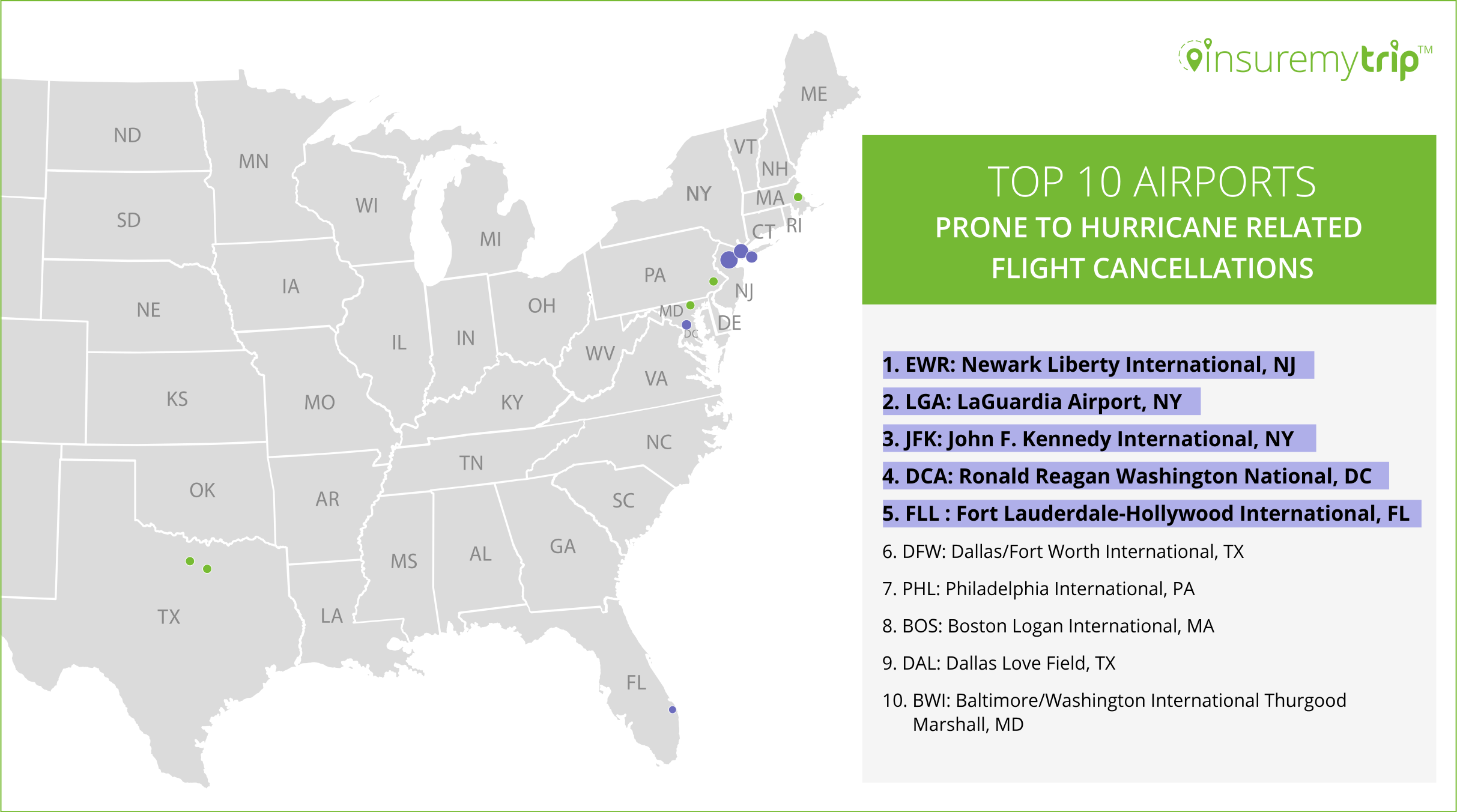
Any destination on the East Coast of Central America (like Cancun, Mexico or Costa Rica) or on the southern coast of the United States (like New Orleans, Louisiana or Panama City, Florida) are vulnerable to hurricane level weather patterns. Not only are these popular travel destinations, but these coasts are hubs for domestic and international airline connections. Even if your final destination is not at risk for a hurricane, the city you are stopping at for a connecting flight may be at risk for severe weather. Keep an eye on the weather once a tropical depression has been announced as these may quickly build speed and become a tropical storm or hurricane that can threaten to delay or derail your travel plans.
Tips for Traveling During Hurricane Season
All this said: don’t let the fear of hurricanes change your dreams of seeing the white sands of the Caribbean or scare you away from the experience of a Jazz festival in New Orleans! With a few adjustments to your travel routine, you can adequately prepare yourself for the possibility of a hurricane affecting your trip.
Plan Ahead
You’ve booked your trip, told everyone how excited you are, officially put it on your calendar and then realized it falls during the months of peak hurricane activity. Invest in travel insurance now. You may have more options with any available time-sensitive benefits and can protect yourself from unforeseen storms. Read reviews from fellow travelers and compare plans all in one place to make it easier to find the best coverage to meet your personal coverage needs.
Understand the Unforeseen
A plan will only cover unforeseen events. In loose terms, if the storm has been predicted (and named) by weather experts, you will not be covered by a new plan. If you already had an existing plan in place before the tropical depression showed on radar, you should have protection. All plans are different, so be sure to read how your plan explains unforeseen events and coverage due to inclement weather.
Know How Your Travel Suppliers Will React
If you are traveling to a destination located in a hurricane region, this most likely won’t be their first rodeo. They are experts in severe weather. Call your airline, cruise line and/or resort to understand how they will react to hurricanes. Then talk to us about what this means for possible coverage options you may want to consider.
Bring Your Important Plan Information
We recommend that you bring your entire plan document with you on your trip. This way you’ll be able to reference how your plan can help you in any situation. If you opt not to, you definitely need to bring the confirmation number and policy number from the insurance company as well as their claims/emergency assistance contact information. If you do stumble upon a need for your plan, you’ll need to reference that basic information when calling the company.
Don’t Stress Out
We know it can be scary or disappointing to be faced with a hurricane before or during your trip, but the reason you have travel insurance is so you can travel confidently. If a hurricane does affect your trip; remember, you have travel insurance to help protect the cost of your trip or to get you home. Call the insurance company to find out next steps for your situation. And if you need any assistance with the claims process, our IMT Assist are here to help.
Which Plan Has The Best Hurricane Coverage For Your Trip?
Many plans on our site offer specific coverage should a hurricane affect your travel plans. Keep in mind, the coverage listed may vary by state residence. Be sure to review the plan details carefully before purchasing, or speak with a licensed agent to ensure the plan has the coverage you want.
Hurricanes and Limitation of Airline Cancellation Policies
Flight cancellation policies vary by airline and circumstance. When an airline cancels a flight due to bad weather, most will try to rebook passengers on the next available flight. Airlines are not required to reimburse travelers for losses incurred as a result of a canceled flight due to weather. Travelers concerned about protecting pre-paid, non-refundable trip expenses should buy travel insurance.
Disclaimer: The information contained in this article serves as a general overview of benefits and should only be used for informational purposes. Refer to your individual certificate of insurance for specific coverages, exclusions and benefits. When in doubt, please contact one of our licensed agents for additional assistance.
Severe weather can derail even the most carefully planned trip. With the right travel insurance, you can recover prepaid, nonrefundable costs and get help with unexpected expenses when storms, hurricanes, or natural disasters disrupt your plans.
Bad Weather and Travel Insurance
Travel insurance can help when weather or natural disasters affect your trip. Coverage depends on the plan you choose and your state of residence, but may include:
Trip Cancellation and Trip Interruption if severe weather or a natural disaster causes your airline or other common carrier to stop operating, makes your accommodations uninhabitable, or leads authorities to order a mandatory evacuation.
Travel Delay coverage that reimburses extra costs for meals, lodging, and local transportation after a covered delay (once the plan’s minimum delay time is met).
Missed Connection coverage if weather delays cause you to miss a scheduled departure on your itinerary.
Important: You must purchase travel insurance before a storm becomes a known event (for example, before a hurricane is named). Once an event is foreseeable, new policies generally won’t cover losses related to that event. Some travelers choose optional Cancel for Any Reason (CFAR) coverage for added flexibility, when available and if eligibility and timing requirements are met.
Frequently Asked Questions
What weather events are typically covered by travel insurance?
Most plans may cover severe weather that stops your common carrier from operating, a natural disaster that makes your accommodations uninhabitable, or government-mandated evacuations. Coverage details and definitions vary by plan and state.
Can I buy travel insurance after a storm is named?
You can still buy a policy, but losses tied to that already-known storm are usually excluded. Optional CFAR coverage (when available and purchased within the required timeframe) may provide broader cancellation flexibility, subject to plan terms.
Does travel delay coverage pay for hotels and meals during weather delays?
Yes. After a qualifying delay (often 6–12 hours, depending on the plan), travel delay coverage can reimburse reasonable costs for lodging, meals, and local transportation, up to the plan’s daily and maximum limits. Be sure to save itemized receipts.
When should I buy travel insurance for weather protection?
As soon as you make your first trip payment. Buying early helps ensure coverage before a storm becomes a known event and may preserve eligibility for optional upgrades like CFAR.
Are hurricanes covered by travel insurance?
Yes, if you purchased coverage before the hurricane was named or known and it causes a covered loss, such as airline shutdowns or uninhabitable accommodations. Always review the specific plan language for details.
Disclaimer: The information contained in this article serves as a general overview of benefits and should only be used for informational purposes. Refer to your individual certificate of insurance for specific coverages, exclusions and benefits. When in doubt, please contact one of our licensed agents for additional assistance.
When you travel for work, your concerns aren’t the same as when you take a vacation. Business travel insurance helps cover the gaps and ease the stress that can come with work trips.
If a flight gets delayed or canceled, you probably aren’t worried about losing your own money, your employer usually handles those costs. What you do worry about is keeping your schedule on track and avoiding disruptions that could affect meetings, events, or deadlines. That’s why your needs are more specific than someone heading out on a leisure trip.
A standard comprehensive plan, the type most people buy for vacations, may not fully cover what you need for business travel. Some plans let you add a Cancel For Work Reasons upgrade, which can be especially helpful if your work schedule changes at the last minute.
Comprehensive Policies – All-in-one plans typically bundle trip cancellation/interruption, travel delay, baggage, and 24/7 assistance. Review coverage limits and optional upgrades (like Cancel For Work Reasons) to tailor protection for your itinerary.
Equipment Protection – Look for higher limits or specialized benefits for baggage loss and damage to business devices like laptops and tablets.
Medical Coverage for International Business Trips
When you travel overseas for work, medical care should be at the top of your list. Start by checking what your employer’s health plan covers while you’re abroad. Most plans don’t include emergency care outside the U.S.
A travel medical insurance plan can help fill those gaps. It can supplement your existing coverage and help protect you if you have a medical emergency during your trip. Many plans also include emergency medical evacuation benefits if you need to be transported to a facility that can properly treat you. If your employer’s health plan covers emergency care but not evacuation, you can also buy a standalone medical evacuation plan.
Before you leave, confirm whether you need pre-authorization, understand which provider networks apply, and know how to reach 24/7 assistance. Carry proof of coverage and the emergency assistance number with you so you can quickly coordinate care, arrange direct billing when available, and organize evacuation if medically necessary.
Corporate Equipment Loss & Damage Coverage
When you travel for work, you likely bring valuable equipment – laptops, tablets, smartphones, and other essential devices. If those items are lost, stolen, or damaged, it can disrupt more than just your trip. That’s why you should look closely at how a plan covers baggage loss and property damage.
Pay attention to coverage limits. Many standard plans cap reimbursement at around $250 per item, far less than what it costs to repair or replace business-grade equipment. Also review per-item sublimits, proof-of-ownership requirements (like receipts or serial numbers), and exclusions, especially for unattended or checked electronics.
Your employer’s device insurance may help, but it often won’t cover travel delays or the cost of being without your equipment while you’re on the road.
Common Exclusions in Business Travel Insurance
Pre-existing medical conditions, unless your plan includes a waiver and you meet purchase/timing requirements
Unattended, misplaced, or unlocked items (including electronics left in vehicles or public areas)
High-value professional equipment above policy or per-item sublimits unless an upgrade/rider is purchased
Non-emergency or elective medical care, and care obtained without required pre-authorization
War, civil unrest, or certain acts of terrorism unless specifically covered by the plan
Coverage commonly includes trip cancellation/interruption, travel delay, emergency medical and evacuation, baggage and equipment protection, and 24/7 assistance. Benefits and limits vary by plan, and employer health coverage may not extend overseas.
How do I choose the right policy?
Consider your destination, trip length, what your employer already covers, the value of the equipment you’re bringing, whether you need Cancel For Work Reasons, and any pre-existing condition needs. Compare plans and limits to match your risk profile.
Is my employer’s coverage enough when I travel abroad?
Not always. Many employer health plans have limited or no overseas emergency and evacuation benefits, and device coverage may not address travel-related losses. A dedicated travel insurance plan can help close these gaps.
Disclaimer: The information contained in this article serves as a general overview of benefits and should only be used for informational purposes. Refer to your individual certificate of insurance for specific coverages, exclusions and benefits. When in doubt, please contact one of our licensed agents for additional assistance.




 As a dedicated NOAA partner, InsureMyTrip is committed to improving travelers’ readiness and responsiveness against extreme weather. The Weather-Ready Nation Ambassador program is an initiative of the U.S. Department of Commerce and NOAA, to strengthen partnerships with external organizations toward building community resilience in the face of increasing vulnerability to extreme weather and water events.